In the dynamic and rapidly evolving world of logistics, the adoption of advanced technologies like Artificial Intelligence (AI) has become increasingly prevalent. One of the most innovative solutions in this space is the Enterprise Generative AI Solution for Logistics. This cutting-edge platform harnesses the power of AI to address the complex challenges faced by logistics companies and offers a wide range of use cases designed to optimize operations, streamline processes, and drive business growth.
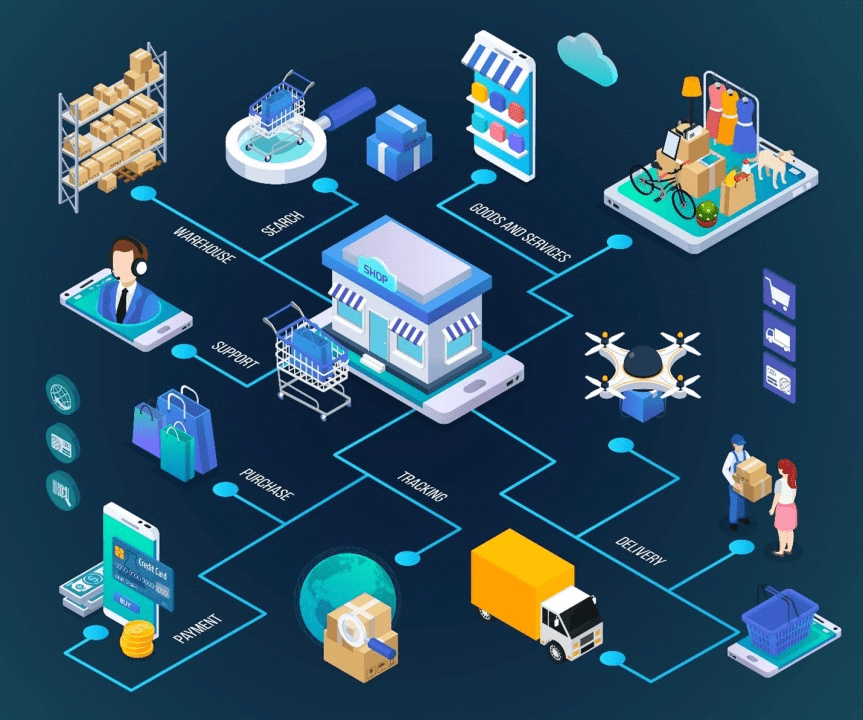
Introduction to Enterprise Generative AI Solution for Logistics
Before delving into its use cases, let’s first understand what an Enterprise Generative AI Solution for Logistics entails. Essentially, it is an AI-driven software solution tailored specifically for the logistics industry. By leveraging machine learning algorithms, predictive analytics, and other AI techniques, this platform analyzes vast amounts of data to generate actionable insights that help optimize various aspects of logistics operations.
Understanding AI in Logistics
AI in logistics involves the use of advanced technologies like machine learning, natural language processing, and predictive analytics to optimize supply chain management, improve operational efficiency, and enhance customer satisfaction. By analyzing data from various sources such as sensors, GPS devices, and historical transaction records, AI-powered solutions can provide valuable insights that enable logistics companies to make better-informed decisions and drive business growth.
Benefits of Enterprise Generative AI Solution for Logistics
Before exploring specific use cases, let’s briefly discuss some of the key benefits that an Enterprise Generative AI Solution can offer to logistics companies:
- Optimized Operations: By leveraging AI-driven insights, logistics companies can optimize route planning, demand forecasting, inventory management, and warehouse operations, leading to increased efficiency and reduced costs.
- Enhanced Customer Satisfaction: AI-powered solutions enable logistics companies to provide real-time updates to customers, minimize delivery times, and improve overall service quality, leading to enhanced customer satisfaction and loyalty.
- Better Decision Making: With access to actionable insights and predictive analytics, logistics companies can make better-informed decisions, adjust to changing market conditions, and capitalize on emerging opportunities.
Now, let’s explore some of the use cases of Enterprise Generative AI Solution for Logistics:
Use Case 1: Route Optimization
One of the primary use cases of an Enterprise Generative AI Solution for Logistics is route optimization. By analyzing factors such as traffic patterns, weather conditions, delivery schedules, and vehicle capacities, the platform can identify the most efficient routes for transporting goods from suppliers to customers. This optimization helps logistics companies minimize fuel consumption, reduce transportation costs, and improve delivery times, ultimately enhancing customer satisfaction.
Use Case 2: Demand Forecasting
Another critical use case is demand forecasting. By analyzing historical sales data, market trends, and other relevant factors, the platform can accurately predict future demand for products and services. This enables logistics companies to optimize inventory levels, minimize stockouts, and ensure timely delivery of goods to customers, thereby improving overall operational efficiency.
Use Case 3: Inventory Management
Inventory management is another area where an Enterprise Generative AI Solution can make a significant impact. The platform uses AI-powered algorithms to optimize inventory levels, predict demand fluctuations, and automate replenishment processes. This helps logistics companies reduce carrying costs, minimize excess inventory, and improve overall inventory accuracy.
Use Case 4: Warehouse Optimization
Warehouse optimization is also a key use case of Enterprise Generative AI Solutions for Logistics. By analyzing factors such as SKU velocity, storage capacity, and order picking patterns, the platform can optimize warehouse layout, improve storage efficiency, and reduce order fulfillment times. This enables logistics companies to maximize the use of available space, minimize labor costs, and enhance overall warehouse productivity.
Conclusion
In conclusion, the use cases of Enterprise Generative AI Solution for Logistics are vast and varied, offering logistics companies the tools they need to optimize their operations, improve efficiency, and drive business growth. By leveraging AI-driven insights and predictive analytics, logistics companies can streamline their supply chain management processes, enhance customer satisfaction, and make better-informed decisions. As the logistics industry continues to evolve, the adoption of AI technology will become increasingly essential for companies seeking to gain a competitive edge in the market.
 Hightech Video
Leave a comment