Introduction
In the ever-evolving landscape of Human Resources (HR), technological advancements continue to redefine how organizations manage their workforce. One of the most promising innovations in recent years is Enterprise Generative AI (Gen AI) platforms. These sophisticated systems leverage artificial intelligence (AI) to automate tasks, enhance decision-making, and revolutionize HR practices. This article explores the future potential of Enterprise Gen AI platforms in reshaping HR functions and driving organizational success.
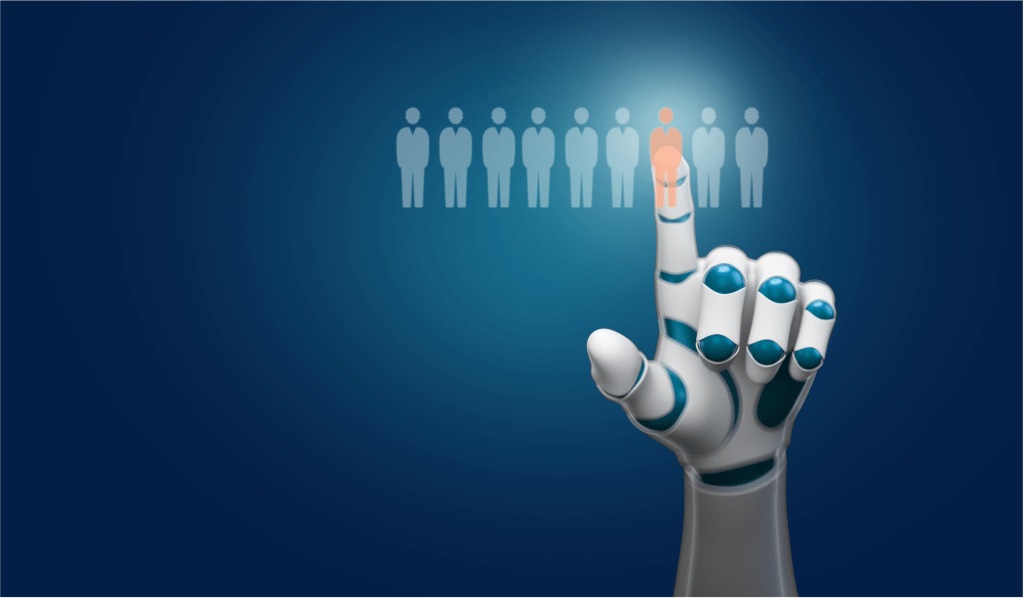
Understanding Enterprise Gen AI Platforms
Enterprise Gen AI platforms integrate advanced AI technologies such as machine learning, natural language processing (NLP), and predictive analytics to transform HR operations. Gen AI Platform for Human Resources is designed to analyze vast amounts of HR data, generate actionable insights, and facilitate personalized interactions with employees and candidates.
Key Components of Enterprise Gen AI Platform for Human Resources
To effectively support HR functions, Enterprise Gen AI platforms typically include the following components:
- Advanced Machine Learning Algorithms: Trained on extensive datasets to recognize patterns, predict outcomes, and optimize processes related to recruitment, employee development, and workforce management.
- Natural Language Processing (NLP): Enables systems to understand and generate human-like text, facilitating communication, feedback analysis, and content creation.
- Predictive Analytics: Utilizes historical and real-time data to forecast trends, identify risks, and recommend strategic HR initiatives.
Future Trends in Enterprise Gen AI for HR
The future of Enterprise Gen AI Platform for Human Resources holds immense promise, driven by ongoing innovations and emerging trends that are set to transform the HR landscape.
1. Enhanced Personalization and User Experience
Future Enterprise Gen AI platforms will focus on:
- Hyper-Personalization: Creating highly customized employee experiences based on individual preferences, behaviors, and career aspirations.
- AI-Powered Virtual Assistants: Deploying advanced virtual assistants that can handle complex HR queries, provide real-time support, and enhance employee engagement.
2. Augmented Decision-Making with AI Insights
AI-driven analytics will empower HR leaders by:
- Strategic Workforce Planning: Using predictive analytics to anticipate future skill needs, succession planning, and workforce restructuring based on business goals and market trends.
- Behavioral Analytics: Analyzing employee behavior and sentiment to proactively address issues, boost morale, and foster a positive work environment.
3. AI-Driven Talent Acquisition and Management
The future of recruitment and talent management will be shaped by:
- Automated Candidate Matching: Utilizing AI algorithms to match candidates with job roles based on skills, cultural fit, and potential contributions to organizational goals.
- Continuous Learning and Development: Recommending personalized learning paths and development opportunities tailored to individual career trajectories and organizational needs.
4. Ethical AI and Bias Mitigation
Addressing ethical considerations will be crucial, focusing on:
- Bias Detection and Mitigation: Implementing AI models and algorithms that are transparent, fair, and unbiased in recruitment, performance evaluation, and decision-making processes.
- Ensuring Data Privacy: Upholding stringent data protection measures to safeguard sensitive HR information and comply with global regulatory standards.
Benefits of Enterprise Gen AI Platforms in HR
The adoption of Enterprise Gen AI platforms offers numerous benefits for organizations:
- Operational Efficiency: Automating routine tasks, reducing administrative burden, and optimizing HR processes to focus on strategic initiatives.
- Cost Savings: Minimizing recruitment costs, improving retention rates, and maximizing ROI through efficient resource allocation and talent management strategies.
- Enhanced Employee Experience: Providing personalized interactions, continuous feedback, and professional development opportunities that foster engagement and loyalty.
Challenges and Considerations
Despite the transformative potential, integrating Enterprise Gen AI in HR comes with challenges that organizations must navigate:
- Skills Gap: Ensuring HR professionals have the necessary skills and training to effectively leverage AI tools and interpret data-driven insights.
- Change Management: Overcoming resistance to technological change and ensuring seamless integration with existing HR systems and workflows.
- Regulatory Compliance: Adhering to evolving data protection regulations and ethical guidelines to maintain trust and transparency in AI-driven HR practices.
Conclusion
The future of Enterprise Gen AI platforms in Human Resources is poised to redefine how organizations attract, develop, and retain talent. By harnessing the power of AI-driven insights, personalized experiences, and predictive analytics, HR departments can optimize their strategies, improve operational efficiencies, and elevate employee satisfaction. As organizations embark on their digital transformation journeys, embracing Enterprise Gen AI promises to unlock new opportunities for innovation, growth, and sustainable success in the dynamic global marketplace.
In conclusion, the evolution of Enterprise Gen AI in HR represents a paradigm shift towards a more agile, data-driven, and human-centric approach to workforce management and organizational development.
 Hightech Video
Leave a comment