As the manufacturing industry strives for higher efficiency, cost reduction, and innovation, the advent of generative AI solutions marks a significant milestone. These advanced AI systems are not only streamlining processes but also revolutionizing product design and quality control. In this article, we explore the profound significance of enterprise generative AI solutions for manufacturing, detailing their benefits, real-world applications, and future potential.
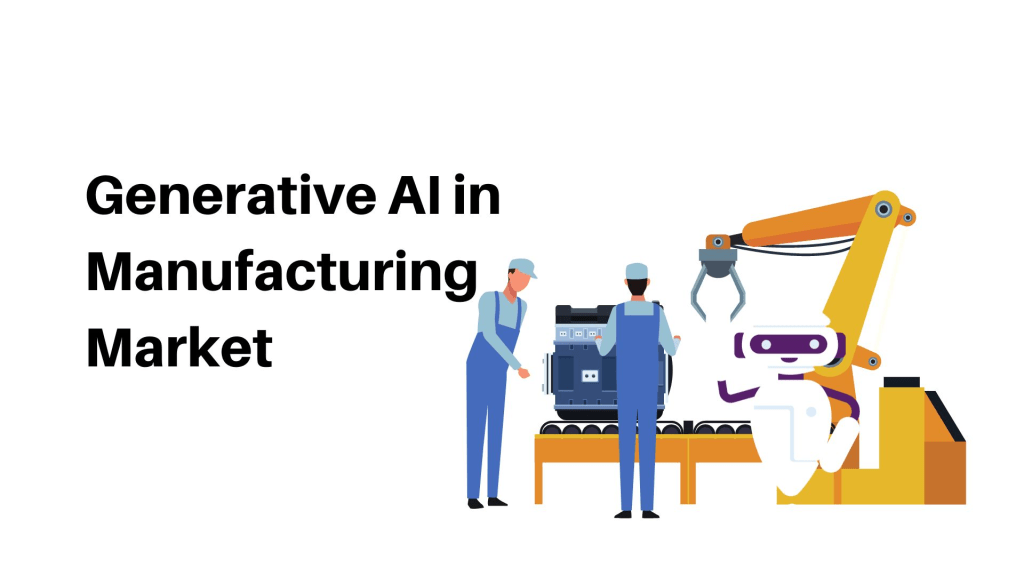
Understanding Generative AI in Manufacturing
What is Generative AI?
Generative AI refers to a subset of artificial intelligence that uses algorithms to create new data, designs, or solutions based on existing input. Unlike traditional AI, which primarily focuses on analyzing and interpreting data, generative AI goes a step further by generating innovative outputs, making it particularly valuable for industries that depend on continuous innovation, like manufacturing.
Historical Context and Evolution
The manufacturing sector has seen numerous technological advancements over the years, from the Industrial Revolution to the adoption of automation and robotics. Generative AI solution for manufacturing represents the next phase of this evolution, enabling manufacturers to harness the power of machine learning and artificial intelligence to create more efficient and effective production processes.
The Benefits of Generative AI Solutions in Manufacturing
Enhanced Product Design
Accelerated Innovation
Generative AI solution for manufacturing can significantly accelerate the product design process. By generating multiple design alternatives quickly, it allows engineers to explore a broader range of possibilities in a shorter time. This rapid prototyping leads to faster innovation cycles and reduced time-to-market.
Optimized Designs
Generative AI uses historical data and performance metrics to suggest optimal design parameters. This results in products that are not only innovative but also optimized for performance, durability, and cost-effectiveness.
Improved Production Efficiency
Automation of Complex Tasks
Generative AI can automate complex manufacturing tasks, reducing the need for manual intervention. This leads to greater consistency, fewer errors, and increased efficiency across the production line.
Predictive Maintenance
By analyzing data from sensors embedded in manufacturing equipment, generative AI can predict when a machine is likely to fail. This enables proactive maintenance, reducing downtime and extending the lifespan of critical machinery.
Enhanced Quality Control
Real-Time Defect Detection
Generative AI systems equipped with computer vision can detect defects in real-time during the production process. This immediate feedback ensures that any defects are addressed promptly, maintaining high-quality standards.
Continuous Improvement
Generative AI continuously analyzes production data to identify areas for improvement. This fosters a culture of continuous improvement, where processes are constantly refined for better outcomes.
Real-World Applications of Generative AI in Manufacturing
Automotive Industry
Customized Vehicle Designs
Generative AI enables automotive manufacturers to offer highly customized vehicle designs. By analyzing customer preferences and constraints, AI can generate unique design options tailored to individual tastes.
Autonomous Vehicle Production
In the realm of autonomous vehicles, generative AI optimizes the design and production of complex components. This ensures that autonomous systems are reliable, efficient, and safe.
Aerospace Industry
Lightweight Materials
Generative AI plays a crucial role in designing lightweight yet strong materials for aerospace applications. By optimizing material composition and structural design, AI helps reduce the weight of aerospace components, leading to more fuel-efficient aircraft.
Safety Compliance
Aerospace manufacturers use generative AI to ensure that all components meet stringent safety and compliance standards. AI-driven quality control systems detect anomalies and ensure that only the highest quality parts are used in production.
Consumer Electronics
Rapid Prototyping
Generative AI accelerates the prototyping phase in consumer electronics by generating multiple design iterations quickly. This enables companies to test and refine their products rapidly, staying ahead of market trends.
Supply Chain Optimization
Generative AI optimizes supply chain operations by predicting demand, managing inventory, and ensuring timely delivery of components. This leads to cost savings and improved customer satisfaction.
Challenges in Implementing Generative AI Solutions
Data Quality and Security
High-Quality Data Requirements
The effectiveness of generative AI solutions depends heavily on the quality and availability of data. Manufacturers must ensure they have access to comprehensive, high-quality datasets for training AI models.
Data Security Concerns
As generative AI systems handle sensitive production data, ensuring data security and privacy is paramount. Robust security measures must be implemented to protect data assets from cyber threats.
Integration with Existing Systems
Compatibility with Legacy Systems
Integrating generative AI solutions with existing manufacturing systems can be challenging, especially if legacy systems are outdated. Manufacturers must carefully plan the integration process to ensure seamless operation.
Organizational Change Management
Adopting generative AI requires a shift in organizational culture and processes. Manufacturers must invest in change management strategies to ensure that employees are trained and prepared for the transition.
Scalability and Flexibility
Scalability Challenges
Generative AI solutions must be scalable to handle varying production volumes and complexities. Manufacturers need to ensure that their AI infrastructure can scale efficiently as production demands increase.
Flexibility in Application
The flexibility of generative AI solutions is crucial for adapting to different manufacturing scenarios. AI systems should be designed to handle diverse applications, from small-scale customization to large-scale production.
Future Prospects of Generative AI in Manufacturing
Technological Advancements
Improved AI Algorithms
Ongoing advancements in AI algorithms will enhance the capabilities of generative AI solutions. Improved algorithms will lead to more accurate predictions, better optimization, and enhanced decision-making in manufacturing.
Integration of IoT and AI
The integration of the Internet of Things (IoT) with generative AI will create a connected ecosystem where AI-driven insights are derived from real-time sensor data. This will further enhance the efficiency and effectiveness of manufacturing operations.
Broader Adoption Across Industries
Expansion into New Sectors
As generative AI solutions continue to demonstrate their value, more industries will adopt these technologies. Sectors such as pharmaceuticals, energy, and construction are likely to see increased adoption of generative AI for various applications.
Collaborative Innovation
Collaboration between AI technology providers, manufacturers, and research institutions will drive innovation and the development of new AI-driven manufacturing solutions. This collaborative approach will lead to the creation of more advanced and tailored AI applications.
Conclusion
The significance of enterprise generative AI solutions for manufacturing is undeniable. These advanced technologies are transforming the industry by enhancing product design, optimizing production processes, and improving quality control. Despite the challenges associated with implementation, the future of generative AI in manufacturing looks promising, with ongoing technological advancements and broader adoption across various sectors.
As manufacturers continue to explore and implement generative AI solutions, they will unlock unprecedented opportunities for growth and development. The journey towards a fully optimized, AI-driven manufacturing ecosystem is well underway, promising a future where innovation and efficiency go hand in hand.
 Hightech Video
Leave a comment