Generative AI (Gen AI) has rapidly become a transformative force in various industries, and manufacturing is no exception. By enabling unprecedented levels of innovation, efficiency, and customization, Gen AI platforms are revolutionizing the way manufacturers operate. As technology evolves, new trends are emerging that are set to redefine the manufacturing landscape. This article explores the recent trends in Generative AI platforms for manufacturing, examining how these developments are shaping the industry’s future.
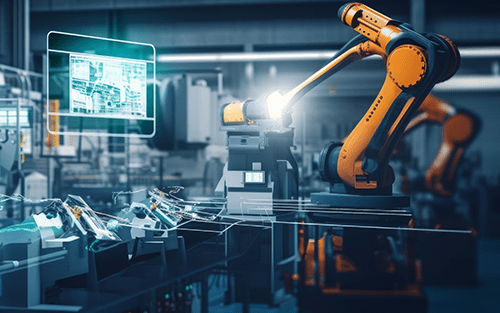
Introduction to Generative AI in Manufacturing
What is Generative AI?
Generative AI refers to the subset of artificial intelligence that focuses on creating new content, designs, or solutions based on existing data. Unlike traditional AI, which operates within predefined parameters, Gen AI platform for manufacturing can generate novel outputs, making it an invaluable tool for industries where creativity, efficiency, and optimization are critical.
The Role of Gen AI in Manufacturing
In manufacturing, Gen AI is applied across various processes, including product design, process optimization, supply chain management, and predictive maintenance. By leveraging the power of Gen AI, manufacturers can achieve faster innovation cycles, reduce production costs, and improve overall product quality.
Recent Trends in Generative AI Platforms for Manufacturing
1. Integration of AI with IoT for Real-Time Manufacturing
1.1 The Rise of the Industrial Internet of Things (IIoT)
The convergence of Generative AI and the Industrial Internet of Things (IIoT) is one of the most significant trends in manufacturing. IIoT refers to the network of connected devices and sensors within industrial environments that collect and exchange data in real time. By integrating Gen AI with IIoT, manufacturers can analyze vast amounts of data in real-time, enabling more informed decision-making and enhanced process optimization.
1.2 Real-Time Process Optimization
With the integration of Gen AI and IIoT, manufacturers can achieve real-time process optimization. AI algorithms can continuously monitor production processes, identify inefficiencies, and make adjustments on the fly. This leads to increased productivity, reduced waste, and lower operational costs.
2. Advanced Predictive Maintenance with AI
2.1 AI-Driven Predictive Maintenance Models
Predictive maintenance has long been a critical aspect of manufacturing, helping to prevent equipment failures and reduce downtime. Recent advancements in Gen AI are taking predictive maintenance to the next level. AI-driven models can now predict equipment failures with greater accuracy by analyzing data from multiple sources, including sensors, historical maintenance records, and environmental factors.
2.2 Integration with Digital Twins
Digital twins are virtual replicas of physical assets that can simulate real-world conditions. By integrating Gen AI with digital twins, manufacturers can run simulations and predict potential issues before they occur. This allows for more proactive maintenance strategies, reducing the likelihood of unplanned downtime and extending the lifespan of equipment.
3. Generative Design for Mass Customization
3.1 The Shift Towards Mass Customization
Consumers are increasingly demanding personalized products, and manufacturers are turning to Gen AI to meet these expectations. Generative design, powered by AI, enables manufacturers to create customized products at scale. By inputting specific parameters such as material constraints, performance requirements, and customer preferences, Gen AI can generate multiple design options that meet these criteria.
3.2 AI-Powered Design Automation
AI-powered design automation is another trend gaining traction in manufacturing. With the ability to generate and evaluate thousands of design variations in minutes, manufacturers can quickly identify the most optimal solutions. This not only accelerates the product development process but also leads to more innovative and cost-effective designs.
4. Enhanced Supply Chain Management with AI
4.1 AI-Driven Demand Forecasting
Accurate demand forecasting is crucial for efficient supply
chain management. Recent advancements in Generative AI have enabled more precise and dynamic demand forecasting models. These models leverage machine learning algorithms to analyze historical data, market trends, and external factors such as economic conditions and weather patterns. As a result, manufacturers can better anticipate demand fluctuations, optimize inventory levels, and reduce the risk of stockouts or overproduction.
4.2 Supply Chain Resilience and Risk Management
The global supply chain disruptions experienced in recent years have highlighted the importance of resilience in manufacturing. Generative AI platforms are now being used to enhance supply chain resilience by identifying potential risks and developing contingency plans. AI can simulate various scenarios, such as supplier delays or geopolitical events, allowing manufacturers to proactively manage risks and ensure continuity in their operations.
5. Human-AI Collaboration in Manufacturing
5.1 Augmented Workforce with AI
As AI technology advances, the concept of human-AI collaboration is becoming increasingly prevalent in manufacturing. Rather than replacing human workers, Generative AI platforms are being designed to augment human capabilities. AI-powered tools can assist workers by providing real-time data insights, automating repetitive tasks, and enhancing decision-making processes. This collaboration leads to higher productivity, improved safety, and more innovative outcomes.
5.2 AI-Enhanced Training and Skill Development
Generative AI is also playing a role in workforce training and skill development. AI-driven platforms can create personalized training programs for workers, based on their individual skill levels and learning styles. Additionally, AI can simulate complex manufacturing scenarios, allowing workers to practice and hone their skills in a virtual environment before applying them on the factory floor.
6. Sustainable Manufacturing with Generative AI
6.1 AI for Sustainable Product Design
Sustainability is becoming a critical consideration for manufacturers, driven by both regulatory requirements and consumer demand. Generative AI is enabling more sustainable product design by optimizing material usage, reducing waste, and minimizing energy consumption. AI can analyze the environmental impact of different design choices, helping manufacturers create products that are not only efficient but also environmentally friendly.
6.2 Optimizing Energy Consumption in Manufacturing
Energy consumption is a significant cost factor in manufacturing, and reducing it is a priority for many companies. Generative AI platforms are now being used to optimize energy usage across manufacturing processes. By analyzing data from sensors and equipment, AI can identify energy inefficiencies and recommend adjustments to reduce consumption without compromising production quality or output.
7. Advanced Quality Control with AI
7.1 AI-Driven Quality Inspection
Quality control is a critical aspect of manufacturing, and Generative AI is transforming how it is conducted. AI-driven quality inspection systems can analyze images, videos, and sensor data in real-time to detect defects or anomalies in products. These systems can identify even the smallest deviations from quality standards, ensuring that only products that meet the highest standards reach the market.
7.2 Predictive Quality Assurance
Beyond real-time inspection, Generative AI is being used to predict potential quality issues before they occur. By analyzing data from the production process, AI can identify patterns that may lead to defects and suggest corrective actions. This proactive approach to quality assurance helps manufacturers maintain high-quality standards while reducing the costs associated with rework and scrap.
8. AI-Driven Innovation in Manufacturing Materials
8.1 Development of New Materials with AI
The development of new materials is a key area of innovation in manufacturing, and Generative AI is playing a pivotal role. AI-driven platforms can analyze vast datasets of material properties, performance characteristics, and environmental impacts to identify potential new materials. This accelerates the material discovery process, enabling manufacturers to develop products with enhanced performance, durability, and sustainability.
8.2 AI for Material Substitution
In response to supply chain disruptions and cost pressures, manufacturers are increasingly looking to substitute traditional materials with more readily available or cost-effective alternatives. Generative AI can analyze the properties of different materials and suggest suitable substitutions that meet the required performance criteria. This helps manufacturers maintain production continuity while managing costs and reducing reliance on specific suppliers.
9. Custom AI Solutions for Niche Manufacturing Sectors
9.1 Tailored AI Platforms for Industry-Specific Needs
As Generative AI matures, there is a growing trend toward developing custom AI solutions tailored to the specific needs of niche manufacturing sectors. For example, AI platforms designed for the pharmaceutical industry may focus on optimizing batch production processes, while those for the automotive industry may prioritize lightweight material design. These tailored solutions enable manufacturers to leverage the full potential of AI in ways that are most relevant to their industry.
9.2 AI-Driven Innovations in Additive Manufacturing
Additive manufacturing, or 3D printing, is a rapidly growing area of manufacturing that is being revolutionized by Generative AI. AI-driven design tools are enabling more complex and innovative 3D-printed structures that were previously impossible to achieve. Additionally, AI is optimizing the additive manufacturing process by predicting and preventing potential issues, such as material inconsistencies or print failures.
10. Ethical and Regulatory Considerations in AI Adoption
10.1 Addressing AI Bias and Fairness in Manufacturing
As AI adoption in manufacturing increases, ethical considerations are becoming more prominent. One of the key concerns is AI bias, which can lead to unfair or discriminatory outcomes in decision-making processes. Manufacturers are now focusing on developing AI models that are transparent, fair, and free from bias. This involves rigorous testing, validation, and the implementation of ethical AI frameworks.
10.2 Compliance with Industry Regulations
Manufacturers must also ensure that their use of Generative AI complies with industry regulations and standards. This is particularly important in sectors such as pharmaceuticals, aerospace, and automotive, where strict regulatory requirements must be met. AI platforms are being designed to include compliance checks and documentation capabilities, helping manufacturers navigate the complex regulatory landscape.
Challenges and Considerations for Implementing Generative AI in Manufacturing
1. Data Quality and Availability
1.1 The Importance of High-Quality Data
The effectiveness of Generative AI platforms largely depends on the quality of the data they are trained on. Poor-quality or incomplete data can lead to inaccurate predictions and suboptimal outcomes. Manufacturers must invest in data collection, cleaning, and integration processes to ensure that their AI models have access to high-quality data.
1.2 Overcoming Data Silos
Data silos, where information is isolated within different departments or systems, can hinder the implementation of Generative AI. Manufacturers need to break down these silos and create a unified data infrastructure that allows for seamless data sharing and collaboration across the organization.
2. Integration with Legacy Systems
2.1 Compatibility Challenges
Many manufacturing facilities rely on legacy systems that may not be compatible with modern AI technologies. Integrating Generative AI platforms with these systems can be challenging, requiring significant investment in infrastructure upgrades and customization.
2.2 Incremental Implementation Strategies
To mitigate integration challenges, manufacturers can adopt an incremental implementation strategy. This involves gradually introducing AI capabilities into specific areas of the manufacturing process, allowing time to address compatibility issues and optimize the integration with legacy systems.
3. Workforce Readiness and Training
3.1 Preparing the Workforce for AI Adoption
The successful implementation of Generative AI in manufacturing requires a workforce that is ready and able to work with AI technologies. Manufacturers must invest in training and development programs to equip their employees with the necessary skills and knowledge to effectively use AI tools.
3.2 Addressing Job Displacement Concerns
AI adoption in manufacturing may raise concerns about job displacement. It is important for manufacturers to address these concerns by focusing on reskilling and upskilling their workforce. By preparing employees for new roles that leverage AI, manufacturers can ensure that AI adoption benefits both the organization and its workers.
4. Cost and ROI Considerations
4.1 Initial Investment and Ongoing Costs
Implementing a Generative AI platform in manufacturing requires a significant initial investment, as well as ongoing costs for maintenance, upgrades, and training. Manufacturers must carefully consider the cost implications and develop a clear business case that outlines the expected return on investment (ROI).
4.2 Measuring the Impact of AI Adoption
To justify the investment in AI, manufacturers need to establish metrics for measuring the impact of AI adoption. This includes tracking improvements in efficiency, productivity, quality, and innovation, as well as assessing the overall financial performance of the AI implementation.
Conclusion: The Future of Manufacturing with Generative AI
The recent trends in Generative AI platforms for manufacturing highlight the transformative potential of this technology. From real-time process optimization and advanced predictive maintenance to mass customization and sustainable product design, Gen AI is driving innovation and efficiency across the manufacturing industry. However, the successful implementation of AI in manufacturing requires careful consideration of challenges such as data quality, system integration, workforce readiness, and cost.
As manufacturers continue to embrace Generative AI, they must also address ethical and regulatory considerations to ensure that AI adoption is fair, transparent, and compliant. By staying ahead of these trends and adopting best practices, manufacturers can unlock the full potential of Generative AI and secure a competitive advantage in the rapidly evolving industrial landscape. The future of manufacturing is undoubtedly AI-driven, and those who invest in this technology today will be the leaders of tomorrow.
 Hightech Video
Leave a comment