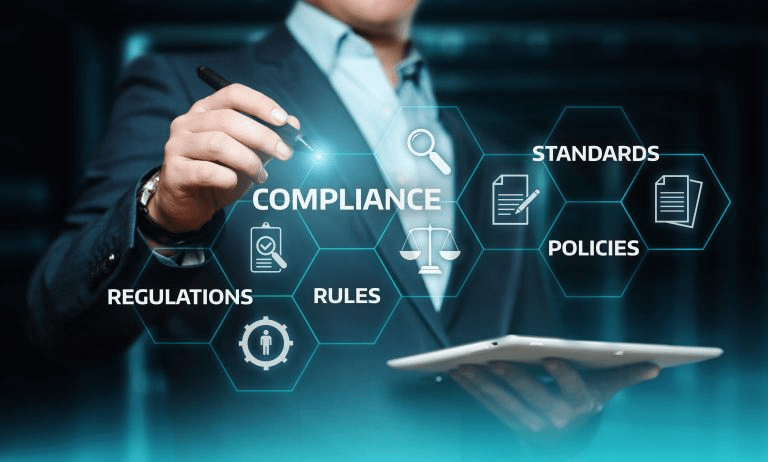
In the increasingly complex world of regulatory compliance, AI-Based Regulatory Monitoring Tools are becoming indispensable. These innovative solutions leverage artificial intelligence to enhance the efficiency, accuracy, and effectiveness of regulatory oversight, making them a crucial asset for modern businesses. This comprehensive guide explores the importance of AI-based regulatory monitoring tools, examining their benefits, key features, and the impact they have on compliance and risk management.
Introduction to AI-Based Regulatory Monitoring Tools
AI-Based Regulatory Monitoring Tools utilize artificial intelligence technologies to automate and streamline the process of tracking, interpreting, and complying with regulatory requirements. These tools integrate machine learning, natural language processing, and data analytics to provide real-time insights, predictive analytics, and comprehensive reporting.
Evolution of Regulatory Monitoring
Historically, regulatory monitoring involved manual tracking of regulatory changes and manual compliance checks, which were time-consuming and prone to human error. With the advent of AI, regulatory monitoring has evolved to become more proactive, automated, and data-driven.
Key Benefits of AI-Based Regulatory Monitoring Tools
1. Enhanced Accuracy and Efficiency
AI-Based Tools significantly improve accuracy and efficiency in regulatory monitoring:
Automated Data Processing
- Efficiency Gains: AI tools automate the extraction and analysis of regulatory data, reducing the likelihood of human error and accelerating processing times.
- Real-Time Updates: Continuous monitoring provides instant updates on regulatory changes, ensuring that compliance strategies are always current.
Improved Accuracy
- Advanced Algorithms: AI algorithms analyze regulatory texts with high precision, identifying relevant information and compliance requirements more accurately than manual methods.
- Reduced Human Error: Automation minimizes the risk of oversight and errors that can occur in manual data handling.
2. Proactive Risk Management
Proactive Risk Management is a crucial advantage:
Predictive Analytics
- Risk Assessment: AI tools use predictive analytics to assess potential compliance risks based on historical data, trends, and patterns.
- Early Warning Systems: By forecasting potential issues, organizations can take proactive measures to mitigate risks before they impact operations.
Anomaly Detection
- Irregularity Identification: AI algorithms detect anomalies in compliance data, highlighting potential issues and deviations from standard practices.
- Timely Intervention: Early detection allows for swift intervention and corrective actions, reducing the likelihood of regulatory breaches.
3. Streamlined Reporting and Documentation
Streamlined Reporting is essential for efficient compliance management:
Automated Report Generation
- Efficiency: AI tools automatically generate compliance reports and documentation, saving time and reducing the manual effort required.
- Consistency: Automated reports ensure consistency and accuracy in documentation, meeting regulatory standards and requirements.
Comprehensive Documentation
- Integrated Systems: AI tools integrate with existing compliance systems to provide comprehensive and consistent documentation across all regulatory activities.
- Audit Trails: Detailed audit trails are maintained, providing transparency and accountability in compliance processes.
4. Real-Time Regulatory Monitoring
Real-Time Monitoring is critical for staying ahead of regulatory changes:
Instant Updates
- Continuous Surveillance: AI tools continuously scan regulatory databases, legal publications, and industry news for updates.
- Immediate Alerts: Organizations receive immediate alerts about new regulations, amendments, and compliance deadlines, allowing for timely adjustments.
Customizable Alerts
- Tailored Notifications: Users can configure alerts based on specific regulatory needs and risk profiles, ensuring that they receive relevant information promptly.
- Prioritization: Alerts can be prioritized based on the severity and impact of regulatory changes, helping organizations focus on critical issues.
Key Features of AI-Based Regulatory Monitoring Tools
1. Advanced Natural Language Processing (NLP)
Natural Language Processing (NLP) is a core feature:
Text Analysis
- Comprehension: NLP algorithms analyze and interpret complex regulatory texts, extracting relevant information and identifying compliance requirements.
- Language Translation: Multilingual NLP capabilities enable the analysis of regulatory texts in different languages, ensuring comprehensive monitoring across jurisdictions.
Contextual Understanding
- Regulatory Jargon: AI tools understand and interpret legal jargon and regulatory terminology, improving the accuracy of compliance assessments.
- Contextual Relevance: NLP ensures that extracted information is contextually relevant and applicable to the organization’s regulatory environment.
2. Machine Learning and Predictive Analytics
Machine Learning and Predictive Analytics enhance decision-making:
Risk Prediction
- Historical Data Analysis: Machine learning models analyze historical compliance data to predict potential risks and regulatory challenges.
- Trend Identification: AI tools identify emerging trends and patterns in regulatory data, providing insights into future compliance requirements.
Anomaly Detection
- Pattern Recognition: Machine learning algorithms recognize patterns and detect deviations from standard compliance practices.
- Proactive Alerts: Anomalies are flagged in real-time, allowing organizations to address potential issues before they escalate.
3. Integration with Existing Systems
System Integration ensures seamless functionality:
Data Integration
- Unified Data Sources: AI tools integrate with existing compliance databases, legal publications, and internal systems to provide a comprehensive view of regulatory data.
- Data Consistency: Integration ensures consistent and accurate data across all compliance activities, reducing the risk of discrepancies.
Compatibility
- Legacy Systems: AI tools are designed to work with legacy compliance management systems and ERP platforms, ensuring compatibility and ease of implementation.
- Flexible Frameworks: Integration frameworks can be customized to meet specific organizational needs and regulatory requirements.
4. User-Friendly Interfaces and Customization
User Experience and Customization enhance usability:
Intuitive Dashboards
- Interactive Visualizations: AI tools feature interactive dashboards that present compliance data and insights in a user-friendly format.
- Customizable Views: Users can customize dashboards to focus on specific compliance areas, metrics, and regulatory requirements.
Personalized Settings
- Custom Alerts: Users can configure personalized alerts based on their regulatory needs and risk profiles.
- Flexible Configurations: The tool’s settings can be tailored to match the organization’s compliance processes and reporting requirements.
Implementing AI-Based Regulatory Monitoring Tools
1. Assess Your Compliance Needs
Understanding Your Needs is crucial:
Identify Regulatory Requirements
- Compliance Audit: Conduct a thorough audit of your regulatory obligations to determine the specific requirements that need to be monitored.
- Scope Definition: Define the scope of regulatory monitoring, including relevant regulations, jurisdictions, and compliance areas.
Evaluate Existing Systems
- Current Tools: Review your existing compliance management systems and identify any gaps or limitations that AI-based tools can address.
- Integration Needs: Determine how the AI tool will integrate with your current systems and data sources.
2. Choose the Right AI-Based Tool
Selecting the Right Tool involves:
Define Selection Criteria
- Functionality: Ensure the tool offers essential features such as real-time monitoring, predictive analytics, and automated reporting.
- Scalability: Choose a solution that can scale with your organization’s needs and adapt to changing regulatory requirements.
- Vendor Reputation: Evaluate the vendor’s reputation, customer reviews, and case studies to ensure reliability and support.
Evaluate Tool Options
- Request Demos: Schedule demonstrations with vendors to see the tool in action and assess its usability and performance.
- Conduct Pilot Tests: Implement a pilot test to evaluate the tool’s effectiveness in a real-world setting and gather user feedback.
3. Plan and Execute Implementation
Effective Implementation Planning includes:
Develop an Implementation Strategy
- Set Objectives: Define clear objectives for implementing the AI tool, including specific goals for improving compliance and risk management.
- Create a Timeline: Establish a detailed timeline for the implementation process, including key milestones and deadlines.
Allocate Resources
- Project Team: Assemble a project team responsible for overseeing the implementation, including compliance experts, IT staff, and end-users.
- Budget Planning: Allocate a budget for the implementation process, including costs for the tool, training, and potential system upgrades.
4. Train and Support Users
Training and Support are essential for successful adoption:
Provide Comprehensive Training
- Training Sessions: Conduct training sessions to familiarize users with the tool’s features and functionality.
- User Guides: Develop user guides and documentation to support ongoing learning and reference.
Offer Ongoing Support
- Support Resources: Provide continuous support to address any questions or issues that arise during and after the implementation process.
- Feedback Collection: Gather feedback from users to identify areas for improvement and ensure the tool meets their needs.
5. Monitor and Optimize Performance
Ongoing Monitoring and Optimization involves:
Track Performance Metrics
- Effectiveness Monitoring: Regularly track key performance metrics to assess the tool’s effectiveness in meeting compliance objectives.
- User Feedback: Collect feedback from users to identify any challenges or areas for improvement.
Make Adjustments
- Optimize Settings: Adjust the tool’s settings and configurations based on performance data and user feedback.
- Update Features: Implement updates and enhancements as needed to ensure the tool remains effective and aligned with evolving regulatory requirements.
Challenges and Solutions in AI-Based Regulatory Monitoring
1. Data Privacy and Security
Data Privacy and Security are major concerns:
Challenge: Ensuring Data Protection
- Solution: Implement robust security measures such as encryption, multi-factor authentication, and secure data storage to protect sensitive regulatory data.
Challenge: Compliance with Data Protection Regulations
- Solution: Ensure the AI tool complies with data protection regulations such as GDPR and CCPA, and provide transparency on data handling practices.
2. Integration with Legacy Systems
Integration with Legacy Systems can be complex:
Challenge: Compatibility Issues
- Solution: Work with vendors to ensure compatibility with legacy systems and implement solutions to address integration challenges.
Challenge: Managing Data Silos
- Solution: Develop strategies to integrate data across different systems and departments, ensuring a cohesive approach to regulatory monitoring.
3. Change Management
Change Management is critical for successful implementation:
Challenge: Resistance to Change
- Solution: Engage stakeholders early in the process, communicate the benefits of the AI tool, and provide support to ease the transition.
Challenge: Training and Adoption
- Solution: Provide comprehensive training and support to ensure users are comfortable with the new tool and can effectively utilize its features.
Future Trends in AI-Based Regulatory Monitoring Tools
1. Advanced AI Technologies
Advanced AI Technologies will drive innovation:
Enhanced Machine Learning Models
- Future Trend: Improved machine learning models will offer more accurate predictions and insights, enhancing regulatory monitoring and risk management.
Advanced Natural Language Processing
- Future Trend: More sophisticated NLP capabilities will enable better understanding and interpretation of complex regulatory texts.
2. Integration with Emerging Technologies
Integration with Emerging Technologies will shape the future:
Blockchain Integration
- Future Trend: Blockchain technology will enhance transparency and traceability in regulatory compliance, providing secure and immutable records.
Smart Contracts
- Future Trend: Smart contracts will automate compliance processes and enforce regulatory requirements based on predefined conditions.
3. Enhanced User Experience and Customization
User Experience and Customization will improve:
Intuitive Interfaces
- Future Trend: AI tools will feature more intuitive interfaces, making compliance management easier and more accessible for users.
Customizable Solutions
- Future Trend: Greater customization options will allow organizations to tailor AI tools to their specific regulatory needs and industry requirements.
Conclusion
The importance of AI-Based Regulatory Monitoring Tools cannot be overstated in today’s complex regulatory environment. By automating compliance processes, enhancing accuracy, and providing real-time insights, these tools are essential for effective regulatory management and risk mitigation. As AI technology continues to evolve, organizations must stay informed about emerging trends and innovations to fully leverage the benefits of these advanced solutions.
Embrace AI for Compliance Excellence: Ready to enhance your regulatory monitoring with AI-powered solutions? Contact us today to explore our advanced AI-based tools and discover how they can transform your compliance strategy.


Leave a comment