-
Real-World Use Cases of Enterprise Gen AI Platform for Hospitality
The hospitality industry is experiencing a transformative shift with the integration of generative AI platforms. These advanced technologies are redefining how hotels, resorts, and other hospitality businesses operate, enhancing guest experiences, optimizing operations, and driving innovation. This article delves into the real-world use cases of enterprise gen AI platform for hospitality sector, highlighting how these technologies are being applied to create significant value.

Introduction
Generative AI platforms offer a myriad of applications in the hospitality industry, from personalizing guest experiences to streamlining operations. By leveraging the power of AI, hospitality businesses can gain a competitive edge, improve efficiency, and deliver exceptional service. In this article, we will explore the various real-world use cases of gen AI platform for hospitality, showcasing the practical benefits and innovations these technologies bring.
Enhancing Guest Experiences
Personalized Guest Interactions
Gen AI platform for hospitality enables hotels to offer highly personalized guest experiences by analyzing data and understanding individual preferences.
- Use Case: A hotel chain uses AI to analyze past guest behavior and preferences, tailoring recommendations for activities, dining options, and room features. This personalization enhances guest satisfaction and loyalty.
Virtual Concierge Services
AI-powered virtual concierge services provide guests with immediate assistance and personalized recommendations, enhancing their stay.
- Use Case: An AI-driven virtual concierge app allows guests to request services, make reservations, and receive local recommendations through their smartphones. The AI provides tailored suggestions based on the guest’s profile and preferences.
Real-Time Language Translation
Gen AI platform for hospitality can facilitate real-time language translation, breaking down communication barriers between guests and staff.
- Use Case: An international hotel chain implements AI-powered translation devices that enable staff to communicate with guests in their native languages, improving service quality and guest satisfaction.
Immersive Guest Experiences with VR and AR
The integration of virtual reality (VR) and augmented reality (AR) with AI enhances guest experiences by offering immersive and interactive elements.
- Use Case: A luxury resort uses AR to provide interactive maps and guided tours of the property, while VR allows potential guests to take virtual tours of rooms and facilities before booking.
Optimizing Operations
Predictive Maintenance
Generative AI platforms can predict maintenance needs and optimize the operation of hotel facilities, reducing downtime and improving efficiency.
- Use Case: A large hotel deploys AI-powered sensors and algorithms to monitor HVAC systems, predicting failures and scheduling maintenance proactively, thereby reducing energy consumption and maintenance costs.
Automated Housekeeping
AI-driven automation in housekeeping improves efficiency and ensures high standards of cleanliness and maintenance.
- Use Case: A hotel chain uses AI-powered robots to handle routine housekeeping tasks such as vacuuming and sanitizing surfaces, allowing human staff to focus on more complex tasks and personalized guest services.
Dynamic Pricing and Revenue Management
Generative AI can analyze market trends and customer behavior to optimize pricing and revenue management strategies.
- Use Case: An AI-driven revenue management system adjusts room rates dynamically based on real-time demand, competitor pricing, and historical data, maximizing occupancy and revenue.
Inventory Management
AI platforms streamline inventory management by predicting demand and optimizing stock levels.
- Use Case: A hotel restaurant uses AI to predict guest dining preferences and optimize inventory, reducing waste and ensuring that popular items are always in stock.
Driving Innovation
Sustainable Practices
Generative AI promotes sustainability by optimizing energy usage and suggesting eco-friendly practices.
- Use Case: A hotel implements an AI-driven energy management system that adjusts lighting and temperature settings based on occupancy and time of day, significantly reducing energy consumption.
Health and Safety Enhancements
AI can ensure that hotels meet the highest standards of cleanliness and safety, particularly in response to the COVID-19 pandemic.
- Use Case: An AI-powered cleaning robot disinfects high-touch areas in a hotel, while AI monitors air quality and enforces social distancing measures, ensuring a safe environment for guests and staff.
Advanced Marketing Strategies
Generative AI can transform marketing strategies by creating personalized and impactful content.
- Use Case: A hotel chain uses AI to generate personalized email campaigns and social media content, targeting potential guests with tailored offers and promotions based on their preferences and behavior.
Customer Feedback and Sentiment Analysis
AI can analyze guest feedback and sentiments to identify areas for improvement and enhance service quality.
- Use Case: An AI-driven sentiment analysis tool processes guest reviews and social media comments, providing actionable insights to hotel management for improving services and addressing concerns promptly.
Case Studies
Marriott International
Marriott International has implemented AI across its properties to enhance guest experiences and optimize operations.
- Use Case: Marriott uses AI to analyze guest preferences and personalize recommendations for dining and activities. The company also employs AI-driven chatbots to handle guest inquiries and reservations, improving response times and service quality.
Hilton Hotels & Resorts
Hilton has integrated AI to streamline operations and enhance guest satisfaction.
- Use Case: Hilton’s AI-powered concierge, “Connie,” provides guests with personalized recommendations and assistance. The hotel chain also uses AI to optimize energy management, reducing costs and promoting sustainability.
Wynn Las Vegas
Wynn Las Vegas leverages AI to enhance guest experiences and improve operational efficiency.
- Use Case: Wynn uses AI to personalize guest interactions and optimize housekeeping schedules. The hotel’s AI-driven systems also manage energy usage and predictive maintenance, ensuring a comfortable and efficient environment for guests.
Future Trends
Advanced Personalization
The future of AI in hospitality lies in even more advanced personalization, where AI predicts guest needs with greater accuracy.
- Future Outlook: AI will continue to evolve, offering hyper-personalized experiences by analyzing a wider range of data points, including real-time behavior and preferences.
Integration with IoT
The Internet of Things (IoT) will play a significant role in the future of generative AI in hospitality, providing real-time data for optimizing operations and enhancing guest experiences.
- Future Outlook: AI-driven IoT devices will enable seamless automation and control of various aspects of the guest experience, from room settings to personalized services.
Expansion of Virtual Assistants
AI-powered virtual assistants will become more sophisticated, providing a wide range of services and support to guests.
- Future Outlook: Virtual assistants will handle more complex tasks, including check-in and check-out processes, reservations, and personalized recommendations, all through a seamless and intuitive interface.
AI-Driven Insights and Analytics
Generative AI will provide deeper insights and analytics, enabling hotels to make data-driven decisions and optimize their operations.
- Future Outlook: AI will analyze guest feedback, occupancy rates, and revenue performance in real-time, providing actionable insights for improving services and maximizing profitability.
Conclusion
The integration of enterprise generative AI platforms in the hospitality industry offers immense potential for enhancing guest experiences, optimizing operations, and driving innovation. As AI technology continues to evolve, its applications in hospitality will become even more diverse and impactful. By embracing these advancements, hospitality businesses can stay competitive, meet the evolving demands of guests, and create memorable experiences that drive loyalty and satisfaction. The future of hospitality lies in the seamless integration of AI-driven solutions, transforming the industry and setting new standards for excellence.
-
Enterprise Generative AI Platform for Legal Research
Generative AI has been making significant strides in various industries, and legal research is no exception. The integration of enterprise generative AI platforms into legal research processes is transforming how legal professionals conduct their work, providing numerous benefits such as enhanced efficiency, accuracy, and accessibility. This article delves into the various aspects of enterprise gen AI platform for legal research, exploring their features, benefits, challenges, and future prospects.

Understanding Gen AI in Legal Research
What is Generative AI?
Generative AI involves advanced algorithms capable of creating new content by learning patterns from existing data. In legal research, these systems analyze vast amounts of legal documents, case law, statutes, and literature to generate insights, summaries, and predictive analyses. This capability revolutionizes traditional legal research methods, which are often labor-intensive and time-consuming.
Importance of Gen AI Platform for Legal Research
Gen AI platform for legal is crucial in research for several reasons:
- Efficiency: Automates repetitive tasks, freeing up time for higher-level strategic work.
- Accuracy: Reduces human error in document review and analysis.
- Accessibility: Democratizes access to advanced research tools, benefiting smaller firms and solo practitioners.
- Predictive Analytics: Offers insights into case outcomes and legal trends.
Key Features of Enterprise Generative AI Platforms
Advanced Natural Language Processing (NLP)
Contextual Understanding
Recent advancements in NLP enable AI to understand the context within legal documents, interpreting complex legal language and concepts accurately. This allows for more precise legal research outcomes.
Legal Text Analysis
AI systems can now analyze legal texts with enhanced precision, identifying relevant precedents, statutory references, and contextual meanings, which leads to more thorough and insightful research.
Comprehensive Legal Databases
Extensive Legal Repositories
Generative AI platforms integrate with extensive legal databases, providing access to a wide array of case law, statutes, regulations, and legal commentary. This ensures that legal professionals have all the necessary information at their disposal.
Real-Time Updates
These platforms offer real-time updates on new case law, legislative changes, and legal news, ensuring that legal professionals stay current with the latest developments.
Enhanced Research Tools
Predictive Analytics
One of the most exciting developments is the integration of predictive analytics. These tools can predict case outcomes based on historical data, helping lawyers develop more effective strategies.
Automated Summarization
Generative AI can automatically summarize lengthy legal documents, making it easier for legal professionals to quickly grasp key points and arguments.
Collaborative Features
Workflow Integration
Recent AI platforms offer seamless integration with existing legal workflow tools, enabling smoother collaboration among legal teams. Features include shared annotations, collaborative document review, and task management.
Customizable Dashboards
AI platforms provide customizable dashboards that allow legal professionals to tailor the research interface to their specific needs, enhancing productivity and user experience.
Applications of Generative AI in Legal Research
Case Law Analysis
Efficient Precedent Search
Generative AI platforms can quickly identify relevant precedents by analyzing the specifics of a case and comparing them to a vast database of previous rulings. This accelerates the research process and improves the quality of legal arguments.
Pattern Recognition
AI can detect patterns in case law, such as how certain judges have ruled on similar issues, providing valuable insights into case strategy.
Statutory and Regulatory Research
Comprehensive Statutory Analysis
AI platforms can parse through complex statutory language and provide comprehensive analyses, helping legal professionals understand the implications of laws and regulations more clearly.
Compliance Monitoring
Generative AI tools can monitor changes in regulations and statutes, ensuring that organizations remain compliant with the latest legal requirements.
Legal Document Review
Contract Analysis
AI can review and analyze contracts to identify potential risks, inconsistencies, and compliance issues. This not only saves time but also reduces the likelihood of overlooking critical details.
Due Diligence
In mergers and acquisitions, AI platforms can conduct due diligence by thoroughly reviewing large volumes of documents and identifying relevant information, streamlining the process significantly.
Litigation Support
Brief and Memorandum Drafting
Generative AI can assist in drafting legal briefs and memoranda by suggesting relevant legal arguments, citing appropriate precedents, and ensuring that documents adhere to legal standards.
Discovery Process
During the discovery phase, AI tools can analyze and categorize vast amounts of data, identifying key documents and information pertinent to the case.
Benefits of Generative AI in Legal Research
Increased Efficiency
Time Savings
Automating repetitive research tasks allows legal professionals to focus on higher-level strategic work, significantly reducing the time spent on manual research.
Cost Reduction
By streamlining research processes, generative AI platforms help reduce the costs associated with legal research, making legal services more affordable and accessible.
Enhanced Accuracy
Error Reduction
AI’s ability to analyze and interpret large volumes of data with high precision reduces the risk of human error, ensuring more accurate and reliable research outcomes.
Comprehensive Analysis
Generative AI platforms can process and analyze data from a wide range of sources, providing a more comprehensive view of the legal landscape and uncovering insights that might be missed by human researchers.
Improved Access
Democratizing Legal Research
Generative AI makes advanced legal research tools accessible to smaller firms and solo practitioners who may not have the resources to employ large research teams or purchase expensive legal databases.
Language and Jurisdictional Support
AI platforms are increasingly supporting multiple languages and jurisdictions, making it easier for legal professionals to conduct cross-border research and understand international legal contexts.
Predictive Insights
Outcome Prediction
AI can analyze historical case data to predict the likely outcome of ongoing cases, helping lawyers develop more informed strategies and manage client expectations more effectively.
Trend Analysis
By identifying trends in case law and regulatory changes, generative AI platforms provide valuable insights that can inform legal strategy and decision-making.
Challenges in Implementing Generative AI for Legal Research
Data Privacy and Security
Ensuring Compliance
One of the primary challenges in implementing generative AI in legal research is ensuring compliance with data privacy and security regulations. AI platforms must be designed to protect sensitive legal information and comply with regulations such as GDPR and HIPAA.
Secure Data Handling
Advanced encryption and secure data handling practices are essential to prevent data breaches and unauthorized access. AI platforms must incorporate robust security measures to protect client confidentiality and maintain trust.
Integration with Existing Systems
Interoperability
Ensuring that AI platforms can seamlessly integrate with existing legal research tools and systems is crucial for their effective implementation. Recent advancements have focused on improving interoperability, allowing AI platforms to work harmoniously with other software used by legal professionals.
Scalable Infrastructure
Developing scalable infrastructure is essential for implementing AI solutions across large legal organizations. Cloud computing and other scalable technologies enable AI platforms to handle vast amounts of data and provide real-time insights.
Ethical Considerations
Addressing Bias
AI systems must be designed to detect and mitigate bias, ensuring fairness in legal research and decision-making. This involves developing algorithms that are transparent and explainable, allowing legal professionals to understand how AI-generated insights are derived.
Transparency and Accountability
Ensuring transparency and accountability in AI-driven legal research is crucial for gaining the trust of legal professionals. AI platforms must provide clear explanations of their processes and decisions, enabling users to verify and understand the reasoning behind AI-generated insights.
Training and Acceptance
Training Programs
Comprehensive training programs are essential to help legal professionals understand and effectively use AI tools. These programs should focus on demonstrating the tangible benefits of AI and building trust in its capabilities.
Collaborative Development
Encouraging collaboration between AI developers and legal professionals ensures that AI solutions are designed to meet real-world needs. This collaborative approach fosters acceptance and drives innovation in the legal industry.
Future Prospects of Generative AI in Legal Research
Advancements in AI Technology
Next-Generation AI Models
Ongoing research is leading to the development of next-generation AI models with even greater accuracy and capabilities. These models will further enhance the quality and efficiency of legal research.
Explainable AI
Future AI systems will focus more on explainability, providing clear and understandable insights into how decisions are made. This will improve trust and adoption among legal professionals.
Broader Integration with Emerging Technologies
AI and Blockchain
The integration of AI with blockchain technology can enhance the security and transparency of legal research. Blockchain provides a secure and immutable framework for managing legal data, ensuring that AI-driven insights are reliable and trustworthy.
AI and Augmented Reality (AR)
Integrating AI with AR can revolutionize legal training and courtroom presentations. AR, combined with AI insights, can provide real-time guidance and enhance the precision of legal arguments.
Expanding Applications
Cross-Border Legal Research
AI will play a crucial role in enabling cross-border legal research by supporting multiple languages and jurisdictions. This will make it easier for legal professionals to conduct international legal research and understand global legal contexts.
Proactive Legal Management
Generative AI is poised to transform legal management by providing proactive insights into legal risks and opportunities. This will enable organizations to address legal issues before they escalate, ensuring more effective legal risk management.
Real-World Case Studies
Case Study 1: Improving Legal Research Efficiency
A mid-sized law firm implemented a generative AI platform to enhance its legal research capabilities. The AI system automated the process of identifying relevant case law and statutory references, reducing the time spent on research by 50%. As a result, the firm was able to take on more cases and improve its overall productivity.
Case Study 2: Enhancing Contract Review
A multinational corporation used an AI-driven contract analysis tool to review and manage its vast portfolio of contracts. The AI system identified potential risks and compliance issues, enabling the company to address them proactively. This not only saved the company millions in potential legal fees but also streamlined its contract management process.
Case Study 3: Streamlining Litigation Support
A large law firm specializing in litigation implemented a generative AI platform to support its discovery process. The AI system analyzed and categorized vast amounts of data, identifying key documents and information pertinent to the case. This significantly reduced the time and cost associated with the discovery phase, allowing the firm to focus on developing strong legal arguments.
Conclusion
The enterprise generative AI platform is transforming the landscape of legal research. These advancements are enhancing the efficiency, accuracy, and accessibility of legal research, providing legal professionals with powerful tools to navigate the complexities of the legal landscape. Despite challenges related to data privacy, integration, ethics, and training, ongoing innovations and strategic approaches are paving the way for widespread adoption. The future of generative AI in legal research looks promising, with advancements poised to further enhance legal outcomes, operational efficiency, and the overall quality of legal services. As AI technology continues to evolve, its integration into legal research will undoubtedly lead to groundbreaking changes, ushering in a new era of legal innovation and excellence.
-
Unveiling the Benefits and Role of Enterprise Gen AI Solutions for Healthcare
In the fast-paced world of healthcare, the integration of advanced technologies has become imperative to meet the evolving needs of patients, healthcare providers, and the industry as a whole. Among these technologies, Enterprise Generative AI (Artificial Intelligence) solutions have emerged as a game-changer, offering unparalleled benefits and playing a pivotal role in revolutionizing healthcare delivery, diagnostics, research, and patient outcomes. This article sheds light on the myriad benefits and crucial role of Enterprise Gen AI solution within the healthcare ecosystem, emphasizing their potential to drive innovation, enhance efficiency, and ultimately improve the quality of care.

Introduction to Enterprise Generative AI in Healthcare
Understanding Generative AI
Generative AI represents a subset of artificial intelligence focused on creating new content or data rather than just processing existing information. It employs deep learning algorithms to generate new insights, solutions, or artifacts based on patterns learned from vast datasets.
Rising Significance in Healthcare
The healthcare industry is witnessing a seismic shift towards embracing gen AI solution for healthcare to address challenges such as diagnostic accuracy, treatment personalization, operational efficiency, and patient engagement. Enterprise Gen AI solution for healthcare stands at the forefront of this transformation, offering unparalleled capabilities to revolutionize healthcare delivery and outcomes.
Unraveling the Benefits of Enterprise Generative AI in Healthcare
Enhanced Diagnostic Accuracy and Precision
Image Analysis and Interpretation
Enterprise Generative AI solutions excel in analyzing medical images such as X-rays, MRIs, and CT scans with a level of precision and consistency that surpasses human capabilities. By detecting subtle abnormalities and patterns, these solutions aid radiologists and clinicians in making accurate diagnoses and treatment decisions.
Pathology and Histology
In pathology and histology, Generative AI solutions play a crucial role in analyzing tissue samples and identifying microscopic features indicative of diseases such as cancer. Their ability to detect anomalies with high sensitivity and specificity enhances the accuracy of pathological diagnoses, leading to more targeted therapies and improved patient outcomes.
Personalized Treatment Planning and Precision Medicine
Genomic Analysis
Enterprise Generative AI solutions leverage genomic data to tailor treatment plans based on an individual’s genetic makeup, enabling precision medicine approaches that account for genetic predispositions, drug responses, and disease risks. By identifying genetic markers and molecular pathways, these solutions empower clinicians to prescribe therapies that are optimized for each patient’s unique biology.
Treatment Response Prediction
Predicting individual patient responses to different treatment modalities is critical for optimizing therapeutic outcomes and minimizing adverse effects. Generative AI solutions analyze patient data, including clinical history, genetic profiles, and treatment outcomes, to forecast responses to specific interventions and guide personalized treatment strategies.
Operational Efficiency and Workflow Optimization
Administrative Automation
Healthcare organizations grapple with administrative burdens such as documentation, scheduling, and billing, which can divert resources from patient care. Enterprise Generative AI solutions automate these routine tasks, streamlining workflows and freeing up time for clinicians to focus on delivering high-quality care.
Clinical Decision Support
Generative AI solutions provide invaluable decision support to healthcare providers by synthesizing vast amounts of patient data, medical literature, and best practice guidelines. By offering evidence-based recommendations for diagnosis, treatment, and follow-up care, these solutions empower clinicians to make informed decisions that optimize patient outcomes and safety.
Accelerated Medical Research and Drug Discovery
Drug Design and Development
Enterprise Generative AI solutions expedite the drug discovery process by predicting molecular structures, simulating drug interactions, and identifying potential therapeutic targets. By generating novel drug candidates and optimizing chemical compounds, these solutions fuel innovation in pharmaceutical research and pave the way for breakthrough treatments.
Biomarker Identification
Identifying biomarkers—biological indicators of disease or treatment response—is essential for advancing precision medicine and developing targeted therapies. Generative AI solutions analyze large-scale omics data (genomic, proteomic, metabolomic) to identify biomarkers associated with specific diseases, facilitating early diagnosis, prognosis, and treatment monitoring.
Patient Engagement and Empowerment
Remote Monitoring and Telehealth
In an era of digital health, remote monitoring and telehealth solutions powered by Generative AI enable patients to access care from the comfort of their homes. By remotely monitoring vital signs, symptoms, and treatment adherence, these solutions empower patients to actively participate in their healthcare journey while reducing the burden on healthcare systems.
Personalized Health Recommendations
Generative AI solutions leverage patient data, including medical history, lifestyle factors, and environmental exposures, to generate personalized health recommendations tailored to individual needs and preferences. From diet and exercise guidance to preventive screenings and medication adherence reminders, these solutions promote proactive health management and disease prevention.
The Crucial Role of Enterprise Generative AI in Healthcare
Driving Innovation and Disruption
Enterprise Generative AI solutions serve as catalysts for innovation and disruption in healthcare, challenging traditional paradigms and fostering a culture of continuous improvement and experimentation. By harnessing the power of data-driven insights and predictive analytics, these solutions enable healthcare organizations to stay ahead of the curve and adapt to evolving patient needs and market trends.
Advancing Precision Medicine and Personalized Care
Precision medicine represents a paradigm shift in healthcare, moving away from one-size-fits-all approaches towards personalized treatment strategies tailored to individual patients. Enterprise Generative AI solutions lie at the heart of precision medicine, enabling the integration of genomic, clinical, and lifestyle data to deliver targeted therapies and interventions that optimize patient outcomes and quality of life.
Empowering Healthcare Providers and Patients
Generative AI solutions empower healthcare providers with actionable insights and decision support tools that enhance clinical decision-making, streamline workflows, and improve patient care. Likewise, patients benefit from personalized health recommendations, remote monitoring capabilities, and access to virtual care options that empower them to take control of their health and well-being.
Transforming Healthcare Delivery and Outcomes
By revolutionizing diagnostic accuracy, treatment planning, operational efficiency, and patient engagement, Enterprise Generative AI solutions have the potential to transform healthcare delivery and outcomes on a global scale. From reducing medical errors and hospital readmissions to improving survival rates and quality of life, the impact of these solutions extends far beyond individual patients to entire populations and communities.
Conclusion
The benefits and role of Enterprise Generative AI solutions in healthcare are unequivocal, offering a transformative vision for the future of medicine and patient care. From enhancing diagnostic accuracy and treatment precision to accelerating medical research and empowering patients, these solutions hold the promise of revolutionizing every facet of the healthcare ecosystem.
As healthcare organizations continue to embrace digital transformation and AI-driven innovation, the integration of Generative AI solutions will be instrumental in shaping the next generation of healthcare delivery and outcomes. By harnessing the power of data, technology, and human ingenuity, we can unlock new frontiers in healthcare and usher in an era of unprecedented advances in medicine, wellness, and longevity.
-
Unleashing Potential: Use Cases of Enterprise Generative AI Solution for Finance and Banking
In the digital age, finance and banking institutions are continuously seeking innovative solutions to enhance operations, improve customer experiences, and stay ahead of the competition. Enter the Enterprise Generative AI Solution, a cutting-edge technology that is reshaping the landscape of finance and banking. From risk management to customer service, this article will explore the diverse use cases of Enterprise Generative AI Solution and how it is revolutionizing the finance and banking sector.

Understanding Enterprise Generative AI Solution
What is an Enterprise Generative AI Solution?
An Enterprise Generative AI Solution is an advanced artificial intelligence platform specifically designed for the finance and banking industry. It harnesses the power of generative AI algorithms to analyze vast amounts of financial data, generate insights, and automate processes. This empowers financial institutions to make informed decisions, optimize operations, and deliver personalized experiences to their customers.
Key Components of Enterprise Generative AI Solution
Before delving into the various use cases, it’s crucial to understand the key components of an Enterprise Generative AI Solution for finance and banking:
Data Integration and Aggregation
This component enables the platform to ingest, integrate, and aggregate data from various sources, including internal systems, external databases, and third-party APIs. It ensures that the platform has access to comprehensive and up-to-date data for analysis and decision-making.
Generative AI Algorithms
At the core of the platform are generative AI algorithms, which enable it to analyze data, identify patterns, and generate insights. These algorithms can create new content, such as text, images, and financial models, based on examples from existing data. This capability allows financial institutions to uncover hidden insights and explore new opportunities.
Natural Language Processing (NLP)
Natural language processing capabilities enable the platform to interpret and analyze unstructured text data, such as customer inquiries, social media comments, and news articles. This allows financial institutions to extract meaningful insights, sentiment analysis, and sentiment analysis from textual data, helping them better understand customer needs and preferences.
Automation and Workflow Orchestration
Automation and workflow orchestration capabilities streamline processes and automate repetitive tasks within financial institutions. This component enables the platform to automate routine activities, such as data entry, report generation, and customer interactions, freeing up time for employees to focus on higher-value tasks.
Use Cases of Enterprise Generative AI Solution
Now, let’s explore some of the key use cases of Enterprise Generative AI Solution in finance and banking:
Risk Management and Compliance
Risk management and compliance are critical priorities for financial institutions, and Enterprise Generative AI Solution offers valuable capabilities in these areas. The platform can analyze vast amounts of financial data, detect patterns, and identify potential risks in real-time. It helps financial institutions assess credit risk, monitor market fluctuations, and ensure compliance with regulatory requirements. By providing actionable insights and predictive analytics, the platform enables organizations to mitigate risks, prevent fraud, and maintain regulatory compliance more effectively.
Fraud Detection and Prevention
Fraud detection and prevention are major challenges for financial institutions, and Enterprise Generative AI Solution provides robust capabilities in this area. By analyzing transaction data, user behavior, and other relevant factors, the platform can identify suspicious activities and flag potential fraud in real-time. It enables organizations to take immediate action to mitigate losses, protect customers’ assets, and safeguard the integrity of their operations.
Customer Service and Engagement
Enhancing customer service and engagement is another key use case of Enterprise Generative AI Solution. The platform enables financial institutions to provide personalized and responsive support to their customers through various channels, including chatbots, virtual assistants, and automated messaging systems. By leveraging natural language processing capabilities, the platform can understand and respond to customer inquiries, complaints, and feedback in real-time. This helps organizations deliver superior customer experiences, build stronger relationships with their customers, and drive long-term loyalty and retention.
Personalized Marketing and Product Recommendations
Enterprise Generative AI Solution empowers financial institutions to deliver personalized marketing campaigns and product recommendations to their customers. By analyzing customer data, preferences, and behaviors, the platform can segment customers into distinct groups and tailor marketing messages and product offerings to each segment’s unique needs and preferences. This enables organizations to increase customer engagement, drive conversions, and maximize the effectiveness of their marketing efforts.
Investment and Wealth Management
In the realm of investment and wealth management, Enterprise Generative AI Solution offers valuable insights and predictive analytics that help financial institutions optimize investment strategies and maximize returns for their clients. The platform can analyze market trends, evaluate investment opportunities, and assess portfolio performance in real-time. It enables organizations to make data-driven investment decisions, minimize risks, and achieve better outcomes for their clients.
Regulatory Reporting and Compliance
Enterprise Generative AI Solution automates regulatory reporting and compliance processes, enabling financial institutions to ensure adherence to regulatory requirements more efficiently. The platform can analyze regulatory changes, assess compliance risks, and generate accurate and timely reports that meet regulatory standards. This helps organizations reduce the burden of compliance, minimize the risk of fines and penalties, and maintain a strong reputation in the industry.
Benefits of Enterprise Generative AI Solution
Improved Decision-Making
By providing real-time insights and predictive analytics, Enterprise Generative AI Solution empowers financial institutions to make data-driven decisions with confidence. This enables organizations to identify opportunities, mitigate risks, and optimize performance across all areas of their operations.
Enhanced Efficiency and Productivity
Automation and workflow orchestration capabilities streamline processes and automate repetitive tasks, freeing up time for employees to focus on higher-value activities. This increases efficiency, reduces costs, and improves overall productivity within financial institutions.
Better Risk Management and Compliance
Enterprise Generative AI Solution helps financial institutions identify and mitigate risks, comply with regulatory requirements, and prevent fraud more effectively. This reduces the likelihood of financial losses, regulatory fines, and reputational damage, enhancing the stability and resilience of the organization.
Personalized Customer Experiences
By leveraging customer segmentation and personalization capabilities, financial institutions can deliver tailored experiences that meet the unique needs and preferences of individual customers. This enhances customer satisfaction, loyalty, and retention, driving long-term value for the organization.
Competitive Advantage
Enterprise Generative AI Solution gives financial institutions a competitive edge by enabling them to innovate faster, adapt to changing market conditions, and deliver superior experiences to their customers. This helps organizations differentiate themselves from competitors and maintain leadership positions in the industry.
Conclusion
The use cases of Enterprise Generative AI Solution in finance and banking are diverse and far-reaching, spanning risk management, fraud detection, customer service, marketing, investment, compliance, and more. By leveraging advanced data analytics, predictive modeling, and automation capabilities, financial institutions can unlock new opportunities, overcome challenges, and achieve strategic objectives in an increasingly complex and dynamic marketplace. Embrace the power of Enterprise Generative AI Solution to drive innovation
-
Exploring Use Cases of Enterprise Gen AI Solution for Automotive
The automotive industry is undergoing a transformative journey fueled by technological advancements, particularly in the realm of Artificial Intelligence (AI). Among the most significant developments is the emergence of Enterprise Generative AI Solutions, which are revolutionizing various aspects of automotive operations. In this article, we delve into the diverse use cases of Enterprise Gen AI Solution for Automotive, exploring how it is reshaping vehicle design, manufacturing processes, supply chain management, predictive maintenance, and customer experiences.
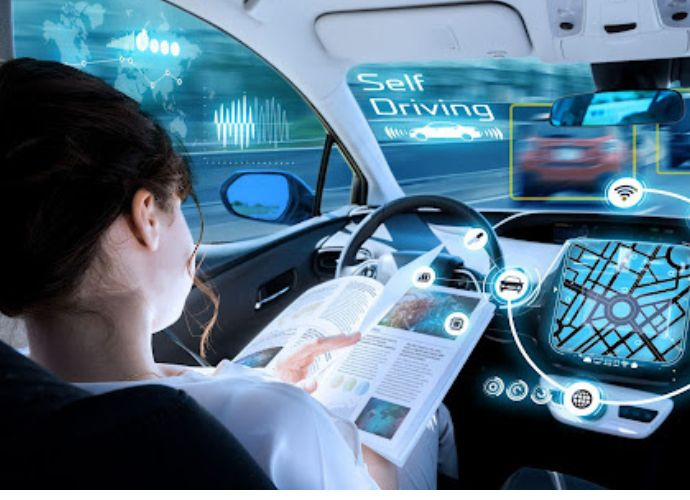
Understanding Enterprise Gen AI Solution for Automotive
Before delving into specific use cases, let’s first understand the essence of Enterprise Gen AI Solution for Automotive. These solutions leverage advanced AI algorithms and machine learning techniques to generate new data insights and solutions tailored to the automotive industry. By analyzing vast amounts of data collected from various sources, including vehicle sensors, production lines, and customer interactions, Enterprise Gen AI Solutions enable automotive companies to optimize processes, improve efficiency, and drive innovation across the entire value chain.
Use Cases Across Automotive Value Chain
1. Design Optimization
Enterprise Gen AI Solutions play a crucial role in optimizing vehicle design processes through generative design techniques. By simulating numerous design iterations and analyzing performance metrics, these solutions help engineers create lightweight, aerodynamic, and structurally sound vehicle components. From chassis and body structures to engine components and interior features, AI-driven design optimization accelerates the development of next-generation vehicles that are safer, more efficient, and more environmentally friendly.
2. Manufacturing Process Enhancement
In the realm of manufacturing, Enterprise Gen AI Solutions enhance production processes and improve operational efficiency. By leveraging AI algorithms for predictive maintenance, quality control, and production optimization, automotive manufacturers can minimize downtime, reduce defects, and increase throughput. Additionally, AI-powered robotic systems enable flexible and adaptive manufacturing, allowing companies to quickly adapt to changing market demands and production requirements.
3. Supply Chain Management
Effective supply chain management is essential for the success of automotive companies, and Enterprise Gen AI Solutions provide valuable insights and capabilities to optimize supply chain operations. By analyzing historical data, market trends, and external factors such as weather and geopolitical events, these solutions enable companies to forecast demand, optimize inventory levels, and mitigate supply chain risks. Furthermore, AI-driven predictive analytics facilitate real-time monitoring and optimization of logistics and distribution processes, ensuring timely delivery of components and finished vehicles to customers worldwide.
4. Predictive Maintenance
Predictive maintenance is another critical application of Enterprise Gen AI Solution for Automotive, enabling companies to proactively identify and address potential equipment failures before they occur. By analyzing sensor data from vehicles and production equipment, AI algorithms can detect early warning signs of component degradation or malfunction, allowing maintenance teams to schedule preventive maintenance activities and avoid costly unplanned downtime. This proactive approach to maintenance not only improves asset reliability and uptime but also extends the lifespan of critical equipment, reducing overall maintenance costs for automotive companies.
5. Customer Experience Enhancement
Enterprise Gen AI Solution enables automotive companies to enhance customer experiences through personalized services and interactions. By analyzing customer data, including purchase history, demographic information, and preferences, AI algorithms can recommend personalized vehicle configurations, features, and options. From tailored marketing communications to proactive maintenance alerts and seamless vehicle connectivity features, these solutions help companies build stronger relationships with customers and foster brand loyalty and advocacy.
Key Benefits and Opportunities
The use cases of Enterprise Gen AI Solution for Automotive offer a multitude of benefits and opportunities for automotive companies:
1. Enhanced Innovation and Productivity
By automating repetitive tasks, optimizing processes, and generating innovative solutions, Enterprise Gen AI Solutions drive continuous innovation and productivity improvements across the automotive value chain. From design and manufacturing to supply chain management and customer service, AI-powered solutions enable companies to stay ahead of the competition and deliver cutting-edge products and services to market faster and more efficiently.
2. Cost Reduction and Efficiency Gains
By optimizing resource utilization, minimizing waste, and streamlining operations, Enterprise Gen AI Solutions help automotive companies reduce costs and improve profitability. Whether through predictive maintenance to minimize downtime, supply chain optimization to reduce inventory carrying costs, or design optimization to minimize material waste, AI-driven solutions enable companies to achieve significant cost savings and efficiency gains.
3. Improved Quality and Reliability
By leveraging AI algorithms for predictive analytics and quality control, Enterprise Gen AI Solutions help automotive companies improve product quality and reliability. By identifying and addressing potential defects or issues early in the design or manufacturing process, companies can minimize recalls, warranty claims, and customer complaints, thereby enhancing brand reputation and customer satisfaction.
4. Enhanced Customer Experiences
By offering personalized and customized products and services, Enterprise Gen AI Solutions enable automotive companies to deliver superior customer experiences. Whether through personalized vehicle configurations, proactive maintenance alerts, or customized marketing communications, AI-driven solutions help companies build stronger relationships with customers and foster brand loyalty and advocacy.
Conclusion
The use cases of Enterprise Gen AI Solution for Automotive are vast and varied, spanning every aspect of automotive operations. From design optimization and manufacturing process enhancement to supply chain management, predictive maintenance, and customer experience enhancement, AI-powered solutions are revolutionizing the way vehicles are designed, manufactured, and maintained. As automotive companies continue to embrace AI technology, they will unlock new opportunities for innovation, efficiency, and growth, driving the industry forward into a new era of mobility and sustainability.
-
Use Cases of Enterprise Generative AI Solution for Logistics
In the dynamic and rapidly evolving world of logistics, the adoption of advanced technologies like Artificial Intelligence (AI) has become increasingly prevalent. One of the most innovative solutions in this space is the Enterprise Generative AI Solution for Logistics. This cutting-edge platform harnesses the power of AI to address the complex challenges faced by logistics companies and offers a wide range of use cases designed to optimize operations, streamline processes, and drive business growth.
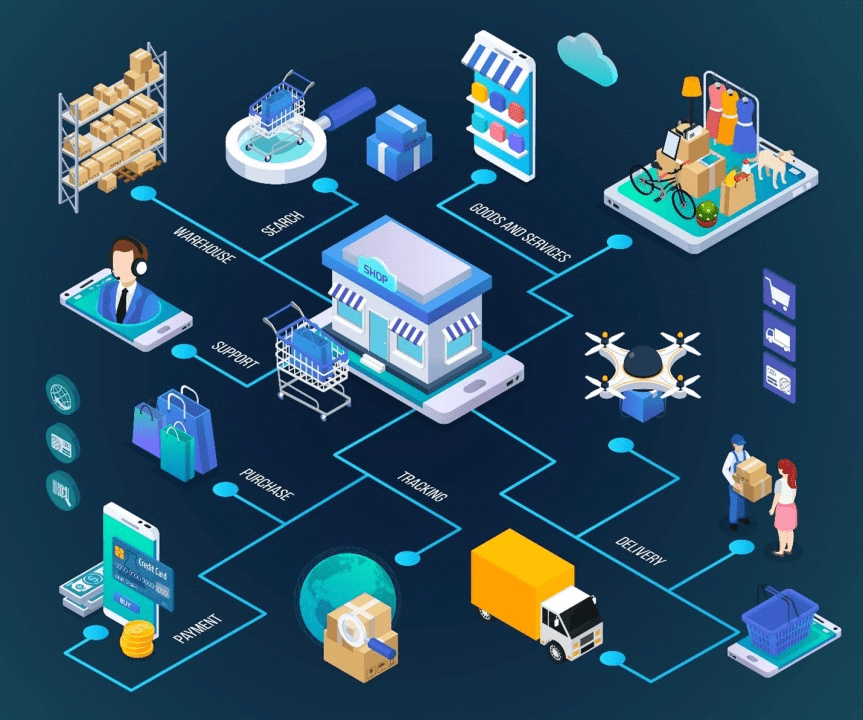
Introduction to Enterprise Generative AI Solution for Logistics
Before delving into its use cases, let’s first understand what an Enterprise Generative AI Solution for Logistics entails. Essentially, it is an AI-driven software solution tailored specifically for the logistics industry. By leveraging machine learning algorithms, predictive analytics, and other AI techniques, this platform analyzes vast amounts of data to generate actionable insights that help optimize various aspects of logistics operations.
Understanding AI in Logistics
AI in logistics involves the use of advanced technologies like machine learning, natural language processing, and predictive analytics to optimize supply chain management, improve operational efficiency, and enhance customer satisfaction. By analyzing data from various sources such as sensors, GPS devices, and historical transaction records, AI-powered solutions can provide valuable insights that enable logistics companies to make better-informed decisions and drive business growth.
Benefits of Enterprise Generative AI Solution for Logistics
Before exploring specific use cases, let’s briefly discuss some of the key benefits that an Enterprise Generative AI Solution can offer to logistics companies:
- Optimized Operations: By leveraging AI-driven insights, logistics companies can optimize route planning, demand forecasting, inventory management, and warehouse operations, leading to increased efficiency and reduced costs.
- Enhanced Customer Satisfaction: AI-powered solutions enable logistics companies to provide real-time updates to customers, minimize delivery times, and improve overall service quality, leading to enhanced customer satisfaction and loyalty.
- Better Decision Making: With access to actionable insights and predictive analytics, logistics companies can make better-informed decisions, adjust to changing market conditions, and capitalize on emerging opportunities.
Now, let’s explore some of the use cases of Enterprise Generative AI Solution for Logistics:
Use Case 1: Route Optimization
One of the primary use cases of an Enterprise Generative AI Solution for Logistics is route optimization. By analyzing factors such as traffic patterns, weather conditions, delivery schedules, and vehicle capacities, the platform can identify the most efficient routes for transporting goods from suppliers to customers. This optimization helps logistics companies minimize fuel consumption, reduce transportation costs, and improve delivery times, ultimately enhancing customer satisfaction.
Use Case 2: Demand Forecasting
Another critical use case is demand forecasting. By analyzing historical sales data, market trends, and other relevant factors, the platform can accurately predict future demand for products and services. This enables logistics companies to optimize inventory levels, minimize stockouts, and ensure timely delivery of goods to customers, thereby improving overall operational efficiency.
Use Case 3: Inventory Management
Inventory management is another area where an Enterprise Generative AI Solution can make a significant impact. The platform uses AI-powered algorithms to optimize inventory levels, predict demand fluctuations, and automate replenishment processes. This helps logistics companies reduce carrying costs, minimize excess inventory, and improve overall inventory accuracy.
Use Case 4: Warehouse Optimization
Warehouse optimization is also a key use case of Enterprise Generative AI Solutions for Logistics. By analyzing factors such as SKU velocity, storage capacity, and order picking patterns, the platform can optimize warehouse layout, improve storage efficiency, and reduce order fulfillment times. This enables logistics companies to maximize the use of available space, minimize labor costs, and enhance overall warehouse productivity.
Conclusion
In conclusion, the use cases of Enterprise Generative AI Solution for Logistics are vast and varied, offering logistics companies the tools they need to optimize their operations, improve efficiency, and drive business growth. By leveraging AI-driven insights and predictive analytics, logistics companies can streamline their supply chain management processes, enhance customer satisfaction, and make better-informed decisions. As the logistics industry continues to evolve, the adoption of AI technology will become increasingly essential for companies seeking to gain a competitive edge in the market.
-
Navigating the Future: The Evolution of Generative AI Solution for Private Equity
The private equity landscape is witnessing a transformative shift propelled by technological advancements, with Generative AI solutions emerging as a game-changer for investment professionals. In this comprehensive exploration, we delve into the future trajectory of Generative AI solution for private equity, uncovering the trends, innovations, and opportunities that lie ahead.

Understanding the Evolution of Generative AI Solutions
Embracing Innovation in Private Equity
Private equity firms are increasingly embracing innovative technologies to gain a competitive edge in an ever-evolving market. Generative AI solutions, powered by advanced machine learning algorithms, offer unparalleled capabilities to analyze data, uncover insights, and drive informed investment decisions.
The Rise of Generative AI in Private Equity
Generative AI solution for private equity has gained traction in the private equity industry due to their ability to unlock the potential of large datasets and extract actionable insights. By leveraging techniques such as natural language processing (NLP), predictive analytics, and deep learning, these solutions empower firms to navigate complex investment landscapes and identify value-creating opportunities.
Emerging Trends in Generative AI Solution for Private Equity
1. Enhanced Predictive Analytics
The future of Generative AI solution for private equity will be characterized by advancements in predictive analytics capabilities. These solutions will leverage advanced algorithms to forecast market trends, predict asset performance, and identify investment opportunities with unprecedented accuracy.
2. Personalized Investment Strategies
As Generative AI solutions evolve, they will enable private equity firms to develop personalized investment strategies tailored to the unique preferences and objectives of investors. By analyzing vast amounts of data and identifying individual risk profiles, these solutions will optimize portfolio allocations and enhance investor returns.
3. Automation of Due Diligence Processes
One of the key trends shaping the future of Generative AI solutions for private equity is the automation of due diligence processes. These solutions will streamline the analysis of financial statements, legal documents, and market research reports, allowing firms to conduct thorough due diligence in a fraction of the time.
Innovations Driving the Future of Generative AI Solutions
1. Explainable AI
Explainable AI is poised to revolutionize the private equity industry by providing transparent insights into the decision-making process of AI algorithms. By enhancing interpretability and trust, explainable AI will enable investment professionals to better understand the rationale behind AI-driven recommendations and make more informed decisions.
2. Federated Learning
Federated learning is a groundbreaking approach that allows multiple parties to collaboratively train AI models without sharing sensitive data. In the context of private equity, federated learning will facilitate data sharing and collaboration among firms while maintaining data privacy and security, ultimately leading to more robust and accurate AI models.
Challenges and Opportunities on the Horizon
1. Data Privacy and Security
As Generative AI solutions become more prevalent in private equity, ensuring data privacy and security will remain a paramount concern. Firms must implement robust data protection measures and adhere to regulatory requirements to safeguard sensitive information and maintain investor trust.
2. Talent Acquisition and Skills Development
The growing demand for AI talent in the private equity industry presents both challenges and opportunities. Firms will need to invest in talent acquisition and skills development initiatives to build a workforce capable of leveraging Generative AI solutions effectively.
Conclusion
The future of Generative AI solution for private equity is brimming with promise, offering unparalleled opportunities for firms to enhance decision-making, drive value creation, and stay ahead of the competition. By embracing emerging trends, harnessing innovative technologies, and addressing key challenges, private equity firms can unlock the full potential of Generative AI solutions and chart a course towards long-term success in a rapidly evolving industry landscape.
-
Unveiling the Versatility: Applications of Enterprise Gen AI Solution for Retail
In today’s rapidly evolving retail landscape, staying ahead of the curve is paramount for businesses striving to meet the dynamic demands of consumers. With the advent of advanced technologies like Enterprise Generative AI (Artificial Intelligence), retailers now have a powerful tool at their disposal to revolutionize various aspects of their operations. In this comprehensive guide, we’ll explore the myriad applications of Enterprise Gen AI Solution for retail, shedding light on its transformative potential across the retail value chain.

Understanding Enterprise Gen AI Solution for Retail
Decoding Enterprise Generative AI
Enterprise Generative AI Solution represents the convergence of cutting-edge AI technologies tailored specifically for the retail sector. Unlike traditional AI solutions, which are often limited in scope and application, Enterprise Gen AI harnesses the power of generative algorithms to create highly customizable and adaptive solutions tailored to the unique needs of retailers. By leveraging advanced machine learning techniques, natural language processing, and predictive analytics, Enterprise Gen AI Solution for retail empowers retailers to unlock actionable insights, optimize operations, and deliver personalized experiences at scale.
Applications Across the Retail Value Chain
Personalized Customer Experiences
One of the primary applications of Enterprise Gen AI Solution in retail is the creation of personalized customer experiences. By analyzing vast amounts of customer data, including past purchases, browsing behavior, and demographic information, AI-driven solutions can generate personalized product recommendations, offers, and content tailored to individual preferences. This not only enhances customer engagement and satisfaction but also drives sales and loyalty.
Inventory Management and Demand Forecasting
Enterprise Gen AI Solution also plays a crucial role in optimizing inventory management and demand forecasting. By analyzing historical sales data, market trends, and external factors such as weather patterns and economic indicators, AI-driven solutions can accurately predict demand for products, optimize inventory levels, and minimize stockouts and overstocking. This helps retailers reduce carrying costs, improve inventory turnover, and ensure products are available when and where they are needed.
Pricing Optimization
Another key application of Enterprise Gen AI Solution is pricing optimization. By leveraging advanced algorithms and predictive analytics, retailers can dynamically adjust prices based on factors such as demand, competitor pricing, and market conditions. This enables retailers to maximize revenue and profitability by optimizing pricing strategies in real-time, offering discounts and promotions strategically, and identifying opportunities for margin expansion.
Enhancing Operational Efficiency
Supply Chain Optimization
Enterprise Gen AI Solution enables retailers to optimize their supply chain operations by analyzing data from various sources, including suppliers, logistics partners, and internal systems. By identifying inefficiencies, bottlenecks, and opportunities for improvement, AI-driven solutions can streamline procurement, transportation, and distribution processes, reduce costs, and improve overall supply chain performance.
Fraud Detection and Prevention
AI-driven solutions can also play a critical role in fraud detection and prevention in retail. By analyzing transaction data, customer behavior, and other relevant factors, AI algorithms can identify suspicious activities, flag potentially fraudulent transactions, and mitigate risks in real-time. This helps retailers reduce financial losses, protect their brand reputation, and enhance security for both customers and employees.
Future Outlook and Potential Developments
Hyper-Personalization and Predictive Insights
Looking ahead, the future of Enterprise Gen AI Solution for retail holds even greater promise. With advancements in AI technology, retailers can expect to see further enhancements in hyper-personalization and predictive insights. AI-driven solutions will become increasingly adept at understanding customer preferences, anticipating future trends, and delivering personalized experiences that exceed customer expectations.
Autonomous Retail Operations
Another potential development is the rise of autonomous retail operations powered by Enterprise Gen AI Solution. From autonomous stores and warehouses to self-driving delivery vehicles, retailers can leverage AI-driven automation to streamline operations, reduce labor costs, and enhance efficiency. This will enable retailers to offer frictionless shopping experiences, optimize resource allocation, and stay competitive in an increasingly digital and automated marketplace.
Conclusion
In conclusion, the applications of Enterprise Gen AI Solution for retail are vast and multifaceted, offering retailers unprecedented opportunities to innovate, optimize, and differentiate themselves in the market. From personalized customer experiences and inventory management to pricing optimization and operational efficiency, AI-driven solutions are reshaping every aspect of the retail value chain. As retailers continue to embrace Enterprise Gen AI Solution, those that harness its full potential will be well-positioned to thrive in the ever-evolving retail landscape of the future.
-
Exploring Diverse Use Cases of Generative AI Platforms for Media
In the fast-paced world of media, innovation is key to capturing audience attention and staying ahead of the competition. One of the most groundbreaking technologies reshaping the landscape is Generative Artificial Intelligence (AI) platforms. These platforms leverage advanced machine learning algorithms to create new content, enhance production workflows, and engage audiences in novel ways. In this comprehensive exploration, we’ll delve into a myriad of use cases where Gen AI platform for media are transforming the media industry, showcasing their versatility and impact across various domains.

Automated Content Generation
Gen AI platform for media is revolutionizing content creation by automating various tasks traditionally performed by human creators. Here are some key use cases:
1. Article Writing
Gen AI platform for media can generate articles on a wide range of topics by analyzing existing content and synthesizing information from multiple sources. This capability is particularly useful for media organizations looking to produce timely and relevant articles at scale.
2. Headline Generation
Generating attention-grabbing headlines is crucial in today’s media landscape. Gen AI platform for media can analyze content themes, audience preferences, and trending topics to generate compelling headlines that increase click-through rates and engagement.
3. Image Captioning
Automatically generating captions for images and videos streamlines the content production process. Gen AI platform for media analyzes visual content and context to generate descriptive and accurate captions, enhancing accessibility and user engagement.
Visual Content Enhancement
Generative AI platforms enhance visual content by applying advanced algorithms for image and video processing. Here are some notable use cases:
1. Image Editing
Generative AI platforms offer sophisticated image editing tools that automatically enhance photos by adjusting colors, exposure, and composition. These platforms empower media professionals to create visually stunning images with minimal manual effort.
2. Video Enhancement
Video editing is made easier and more efficient with Generative AI platforms that offer features such as noise reduction, stabilization, and object removal. These platforms enable media organizations to produce high-quality videos that captivate audiences and convey compelling narratives.
3. Deepfake Detection
As deepfake technology becomes more prevalent, detecting and mitigating its impact is essential for media integrity. Generative AI platforms leverage advanced algorithms to detect and identify manipulated media, helping media organizations maintain trust and credibility with their audience.
Personalized Content Recommendations
Generative AI platforms analyze user data and behavior to deliver personalized content recommendations tailored to individual preferences. Here are some key use cases:
1. Content Discovery
Generative AI platforms power content recommendation engines that analyze user interactions, historical data, and content attributes to suggest relevant articles, videos, or podcasts. This personalized approach enhances user engagement and retention on media platforms.
2. Dynamic Content Personalization
Dynamic content personalization tailors content recommendations based on real-time user interactions and feedback. Generative AI platforms adapt recommendations dynamically, ensuring users receive the most relevant and engaging content based on their preferences and interests.
3. Contextual Recommendations
Generative AI platforms analyze contextual information such as time of day, location, and device type to deliver context-aware content recommendations. By understanding the user’s environment and situation, these platforms provide more relevant and timely content suggestions, enhancing the overall user experience.
Interactive Storytelling
Generative AI platforms enable interactive storytelling experiences that engage audiences and encourage participation. Here are some notable use cases:
1. Choose-Your-Own-Adventure Narratives
Generative AI platforms facilitate choose-your-own-adventure narratives where users can make decisions that influence the storyline. These interactive experiences create immersive storytelling experiences that empower users to shape their own narrative paths and outcomes.
2. Interactive Games and Quizzes
Generative AI platforms generate interactive games and quizzes that entertain and educate audiences. These experiences leverage storytelling, gamification, and problem-solving mechanics to engage users and enhance their learning and entertainment experiences.
3. Augmented Reality (AR) and Virtual Reality (VR) Experiences
Generative AI platforms power augmented reality (AR) and virtual reality (VR) experiences that transport users into immersive virtual worlds. These experiences leverage advanced graphics, spatial audio, and interactive elements to create compelling narratives and simulations that blur the lines between physical and digital reality.
Data-Driven Journalism
Generative AI platforms enable data-driven journalism by analyzing large datasets and generating interactive visualizations and narratives. Here are some key use cases:
1. Data Visualization
Generative AI platforms generate interactive data visualizations that help journalists and reporters communicate complex information effectively. These visualizations use charts, graphs, and maps to present data in an intuitive and engaging format, enabling audiences to explore and understand key insights.
2. Infographics and Explainer Videos
Generative AI platforms assist in the creation of infographics and explainer videos that simplify complex topics and concepts for audiences. These visual assets use data analysis and storytelling techniques to convey information in a concise and engaging manner, increasing audience comprehension and retention.
3. Interactive Narratives
Generative AI platforms enable the creation of interactive narratives that engage audiences and encourage participation. These narratives use branching storylines, interactive elements, and user-driven interactions to create immersive storytelling experiences that adapt dynamically to user input, enhancing audience engagement and retention.
Conclusion
Generative AI platforms are transforming the media industry by automating content creation, enhancing visual content, delivering personalized recommendations, enabling interactive storytelling, and facilitating data-driven journalism. As these platforms continue to evolve and improve, media organizations will have unprecedented opportunities to innovate and engage with their audiences in meaningful ways. By leveraging the diverse use cases of Generative AI platforms, media organizations can stay ahead of the curve and deliver compelling content experiences that captivate and inspire audiences around the world.
-
Exploring Use Cases of Generative AI Platforms for Entertainment
In the dynamic and ever-evolving landscape of entertainment, innovation is the key to captivating audiences and creating memorable experiences. Generative Artificial Intelligence (AI) platforms have emerged as powerful tools in the arsenal of content creators, offering unique capabilities to generate new content, enhance storytelling, and push the boundaries of creativity. In this article, we delve into the diverse and exciting use cases of Gen AI platform for entertainment across various domains of entertainment, ranging from gaming and film to music and visual arts.
Introduction to Generative AI Platforms
Before delving into the use cases, it’s essential to understand the essence of Generative AI platforms. These platforms leverage advanced machine learning algorithms to generate new content, data, or experiences that closely resemble human creativity. Whether it’s generating music, artwork, virtual environments, or interactive narratives, Gen AI platform for entertainment empowers creators to unleash their imagination and explore new artistic frontiers.
Use Cases in Gaming
1. Procedural Content Generation (PCG)
One of the prominent use cases of Gen AI platform for entertainment in gaming is procedural content generation. These platforms utilize algorithms to generate game content dynamically, including landscapes, characters, quests, and levels. By leveraging PCG, game developers can create expansive and immersive worlds that offer virtually endless gameplay experiences, adapt to player actions, and ensure replayability.
2. AI-driven NPCs and Behavior
Generative AI platforms are also utilized to create non-player characters (NPCs) with advanced behavior and intelligence. These NPCs can exhibit lifelike behaviors, learn from player interactions, and adapt to changing game environments. By imbuing NPCs with AI-driven intelligence, developers can create more immersive and engaging gameplay experiences that challenge players and enhance immersion.
3. Dynamic Narrative Generation
In narrative-driven games, Gen AI platform for entertainment is employed to generate dynamic storylines and branching narratives based on player choices and actions. These platforms analyze player behavior and preferences to generate personalized story arcs, character interactions, and plot twists. Dynamic narrative generation enhances player agency and immersion, allowing players to shape the story and experience unique outcomes based on their decisions.
Use Cases in Film and Animation
1. Script and Dialogue Generation
Gen AI platform for entertainment is utilized in film and animation to assist with scriptwriting and dialogue generation. These platforms analyze vast datasets of existing scripts and dialogues to generate new, contextually relevant dialogue that fits the tone and style of the project. By automating the scriptwriting process, filmmakers can streamline pre-production and explore new narrative possibilities.
2. Visual Effects and Animation
Generative AI platforms play a crucial role in creating visual effects and animations for films and animated projects. These platforms can generate realistic simulations of natural phenomena, such as fire, water, and smoke, as well as animate characters and objects with lifelike movements and expressions. By automating the animation process, filmmakers can achieve stunning visual effects while reducing production costs and time.
3. Deepfake Technology
Gen AI platform for entertainment is also employed in the creation of deepfake technology, which involves generating realistic synthetic images and videos by manipulating existing media. While controversial, deepfake technology has applications in film and entertainment, allowing filmmakers to seamlessly replace actors, create visual effects, and bring historical figures to life on screen.
Use Cases in Music and Audio
1. Music Composition and Generation
Generative AI platforms are used in music composition to generate original compositions, melodies, and harmonies. These platforms analyze vast datasets of existing music to learn patterns, styles, and genres, and generate new music that mimics human composition. By automating the music composition process, musicians and composers can explore new musical territories and generate inspiration for their projects.
2. Sound Design and Synthesis
Generative AI platforms are employed in sound design and synthesis to create realistic sound effects, ambiances, and textures for films, games, and virtual environments. These platforms analyze audio samples and acoustic properties to generate new sounds that enhance immersion and realism. By automating the sound design process, audio professionals can streamline production and achieve high-quality results.
3. Voice Synthesis and Generation
Generative AI platforms are utilized in voice synthesis to generate synthetic voices that sound natural and expressive. These platforms analyze speech patterns, intonations, and accents to generate speech that mimics human speech. Voice synthesis technology has applications in film dubbing, virtual assistants, and interactive storytelling, allowing creators to generate dialogue and narration with ease.
Use Cases in Visual Arts and Design
1. Image Generation and Style Transfer
Generative AI platforms are used in visual arts to generate original artwork, illustrations, and designs. These platforms can analyze existing artwork and learn artistic styles, techniques, and compositions to generate new artwork that reflects similar aesthetics. Additionally, Generative AI platforms enable style transfer, allowing artists to apply the style of one artwork to another, creating unique visual effects and compositions.
2. Creative Tools and Assistance
Generative AI platforms serve as creative tools and assistants for artists and designers, providing inspiration, feedback, and suggestions for their projects. These platforms can analyze existing artwork, provide recommendations for color palettes, compositions, and styles, and even generate new ideas and concepts based on user input. By augmenting the creative process, Generative AI platforms empower artists and designers to explore new artistic possibilities and overcome creative blocks.
3. Generative Adversarial Networks (GANs) in Art
Generative Adversarial Networks (GANs) have found applications in the creation of art, enabling artists to collaborate with AI to create unique and innovative artwork. GANs consist of two neural networks – a generator and a discriminator – that work together to generate realistic images. Artists can train GANs on their artwork and use them to generate new variations, explore different styles, and experiment with novel artistic techniques.
Conclusion
Generative AI platforms offer a multitude of use cases across various domains of entertainment, ranging from gaming and film to music and visual arts. By leveraging advanced machine learning algorithms, these platforms empower creators to unleash their creativity, explore new artistic frontiers, and engage audiences in innovative ways. Whether it’s generating dynamic game content, composing original music, or creating immersive visual effects, Generative AI platforms are revolutionizing the entertainment industry and shaping the future of content creation and storytelling. As technology continues to advance, we can expect to see even more exciting and groundbreaking applications of Generative AI in entertainment in the years to come.
-
Subscribe
Subscribed
Have a WordPress.com account? Log in now.

