-
Unveiling the Multifaceted Applications of Generative AI Platforms in Information Technology
In the realm of Information Technology (IT), advancements in Artificial Intelligence (AI) have ushered in a new era of innovation and automation. Generative AI, a subset of AI focused on creating new content based on patterns learned from existing data, has emerged as a transformative technology with diverse applications across various domains. In this comprehensive article, we explore the multifaceted applications of Generative AI platform for Information Technology, shedding light on how this groundbreaking technology is reshaping the IT landscape.

Understanding Generative AI Platforms
Before delving into the applications of Generative AI platform for Information Technology, it’s essential to grasp the fundamentals of Generative AI platforms. Generative AI refers to systems capable of generating new content, such as images, text, audio, and more, using advanced machine learning techniques. These platforms leverage models such as Generative Adversarial Networks (GANs), Variational Autoencoders (VAEs), and Transformers to generate outputs that closely mimic human-created content.
Data Generation and Augmentation
One of the primary applications of Generative AI platform for Information Technology is data generation and augmentation. Synthetic data generated by these platforms can address data scarcity issues, enhance the diversity of training data, and mitigate privacy concerns associated with real-world data. In various machine learning tasks, including image classification, object detection, and natural language processing, synthetic datasets generated by Generative AI platforms serve as invaluable resources for training robust and generalized models.
Natural Language Processing (NLP)
Generative AI platforms have revolutionized Natural Language Processing (NLP) tasks by enabling text generation, summarization, translation, sentiment analysis, and more. These platforms can generate coherent and contextually relevant text, powering applications such as chatbots, content generation, and language translation services. In the realm of IT, generative NLP models find applications in automated customer support, content creation, and multilingual communication, thereby enhancing user experiences and driving operational efficiency.
Image and Video Synthesis
Generative Adversarial Networks (GANs) have unlocked unprecedented capabilities in image and video synthesis. These generative models can generate high-quality images and videos that closely resemble real-world data. In Information Technology, GANs find applications in image generation, style transfer, image-to-image translation, and video synthesis. For instance, Generative AI platforms can create realistic mockups of user interfaces, generate synthetic imagery for training computer vision algorithms, or enhance the visual aesthetics of multimedia content, empowering designers, developers, and content creators to unleash their creativity.
Cybersecurity
Generative AI platform for Information Technology plays a crucial role in bolstering cybersecurity defenses by detecting and mitigating threats more effectively. These platforms can analyze vast amounts of network data to identify anomalous patterns or potential security breaches. Additionally, generative models can generate adversarial examples, helping cybersecurity experts fortify systems against emerging threats and vulnerabilities. By leveraging Generative AI for cybersecurity, organizations can enhance threat detection capabilities, improve incident response times, and mitigate cyber risks proactively.
Software Development and Testing
Generative AI platform for Information Technology offers innovative solutions for software development and testing, enabling automation of various tasks throughout the software development lifecycle. Developers can leverage generative models to automatically generate code snippets, write documentation, refactor existing codebases, or identify bugs and vulnerabilities in software applications. Moreover, generative testing techniques can accelerate the testing process by generating diverse test cases and scenarios, ensuring robustness and reliability of IT systems. By integrating Generative AI into software development workflows, organizations can streamline processes, improve code quality, and accelerate time-to-market for software products and services.
Case Studies: Real-World Applications of Generative AI in IT
To illustrate the practical implications of Generative AI platform for Information Technology, let’s examine some notable case studies:
OpenAI’s GPT-3 in Software Development
OpenAI’s Generative Pre-trained Transformer 3 (GPT-3) model has been leveraged by developers to automate various aspects of software development. By interfacing with GPT-3 through natural language commands, developers can generate code snippets, write documentation, and even assist in debugging tasks. This streamlined approach to software development enhances productivity and empowers developers to focus on higher-level design and architecture.
NVIDIA’s StyleGAN for Creative Design
NVIDIA’s StyleGAN architecture has revolutionized creative design by enabling the generation of photorealistic images with unprecedented realism and detail. In the field of graphic design and visual effects, StyleGAN has been utilized to create synthetic imagery for advertisements, video games, and film production. This technology empowers artists and designers to explore new creative possibilities and push the boundaries of visual storytelling.
DeepMind’s AlphaFold in Bioinformatics
DeepMind’s AlphaFold, a deep learning system for protein folding prediction, showcases the transformative potential of Generative AI in bioinformatics and molecular biology. By accurately predicting the 3D structures of proteins, AlphaFold accelerates drug discovery, protein engineering, and biomedical research. This breakthrough technology has the potential to revolutionize personalized medicine and address critical healthcare challenges.
Challenges and Considerations
While Generative AI holds immense promise for transforming the IT landscape, several challenges and considerations must be addressed:
Ethical Implications
As Generative AI becomes more pervasive, concerns regarding ethical use and misuse of synthetic content arise. It is crucial to establish ethical guidelines and regulatory frameworks to govern the development and deployment of generative models, mitigating risks such as misinformation, bias, and privacy violations.
Data Quality and Bias
Generative AI models heavily rely on the quality and diversity of training data. Biases present in the training data can propagate to the generated outputs, leading to unintended consequences and unfair outcomes. IT practitioners must adopt strategies for mitigating bias, ensuring fairness, and promoting inclusivity in generative AI applications.
Computational Resources
Training state-of-the-art Generative AI models often requires substantial computational resources and energy consumption. Addressing the environmental impact of AI model training, optimizing resource utilization, and exploring energy-efficient algorithms are essential considerations for sustainable deployment of Generative AI platforms in IT.
Future Outlook
Looking ahead, the integration of Generative AI platform for Information Technology is poised to accelerate innovation, drive digital transformation, and redefine the boundaries of what’s possible. As researchers continue to advance the capabilities of generative models and address existing challenges, we can expect to witness unprecedented advancements in AI-driven creativity, problem-solving, and decision-making.
Conclusion
Generative AI platforms offer a myriad of applications that are reshaping the landscape of Information Technology. From data generation and augmentation to natural language processing, image synthesis, cybersecurity, and software development, the potential applications of Generative AI in IT are diverse and far-reaching. By harnessing the power of Generative AI, organizations can unlock new opportunities, streamline processes, and drive innovation in the ever-evolving field of Information Technology. As we navigate the opportunities and challenges posed by Generative AI, it is imperative to remain vigilant, ethical, and responsible stewards of AI innovation, ensuring that the benefits are realized equitably and sustainably for the betterment of humanity.
-
Transforming the Cybersecurity Sector with Generative AI Platforms
Introduction
In an era characterized by increasingly sophisticated cyber threats, the cybersecurity sector faces immense pressure to innovate and evolve to protect organizations from digital attacks. One of the most promising technologies driving this transformation is Generative Artificial Intelligence (AI). Generative AI platforms utilize advanced machine learning techniques to analyze vast amounts of data, detect anomalies, and identify potential security threats in real-time. In this article, we explore how Generative AI platforms have the potential to transform the cybersecurity sector, revolutionizing threat detection, incident response, and overall security posture.

Understanding Gen AI Platform for Cybersecurity
Gen AI platform for cybersecurity are comprehensive solutions designed to augment and enhance various aspects of cybersecurity operations. These platforms leverage machine learning algorithms, natural language processing, and behavioral analysis to analyze data from diverse sources such as network traffic, system logs, and user behavior. By identifying anomalies, detecting suspicious activities, and predicting emerging threats, Generative AI platforms enable organizations to detect, respond to, and mitigate cyber threats more effectively, thereby strengthening their security defenses.
Transformational Potential of Gen AI Platform for Cybersecurity
Gen AI platform for cybersecurity has the potential to transform the cybersecurity sector in several key ways, including:
1. Enhanced Threat Detection Capabilities
Generative AI platforms enable organizations to enhance their threat detection capabilities by analyzing vast amounts of data and identifying anomalies and suspicious activities indicative of potential security breaches. By leveraging advanced machine learning algorithms, these platforms can detect known and unknown threats in real-time, enabling organizations to respond promptly and mitigate risks effectively.
2. Proactive Incident Response
Gen AI platform for cybersecurity facilitates proactive incident response by providing real-time visibility into security events and incidents. By correlating security alerts with contextual information and historical data, these platforms enable cybersecurity teams to prioritize and investigate incidents more effectively, reducing response times and minimizing the impact of cyber attacks.
3. Predictive Analytics for Threat Forecasting
Generative AI platforms enable organizations to leverage predictive analytics for threat forecasting and risk management. By analyzing historical data and identifying patterns of attack behavior, these platforms can predict potential security incidents before they occur, enabling organizations to implement proactive security measures and mitigate risks effectively.
4. Automation of Security Operations
Generative AI platforms automate security operations by automating repetitive tasks and workflows, such as threat triage, incident enrichment, and response orchestration. By integrating with existing security tools and infrastructure, these platforms enable organizations to improve operational efficiency, reduce manual workload, and accelerate incident response times, allowing cybersecurity teams to focus on high-priority tasks and strategic initiatives.
5. Improved Decision-Making Processes
Generative AI platforms provide actionable insights and recommendations to cybersecurity teams, enabling them to make more informed decisions and prioritize security efforts based on the level of risk posed to the organization. By leveraging advanced analytics and machine learning algorithms, these platforms enable organizations to improve decision-making processes and respond to cyber threats more effectively.
Case Studies: Real-World Applications of Generative AI Platforms in Cybersecurity
To illustrate the transformative potential of Gen AI platform for cybersecurity, let’s examine some real-world case studies where these platforms have been successfully deployed:
Case Study 1: Threat Detection and Response
A global financial institution deployed a Generative AI platform to enhance its threat detection and response capabilities. By analyzing network traffic, system logs, and user behavior in real-time, the platform was able to detect and respond to advanced cyber threats, such as malware, ransomware, and insider threats, more effectively. As a result, the organization was able to reduce incident response times, minimize the impact of security breaches, and protect its critical assets from cyber attacks.
Case Study 2: Predictive Analytics for Threat Forecasting
A leading technology company leveraged a Generative AI platform to forecast emerging cyber threats and proactively defend against new attack vectors. By analyzing historical data and identifying patterns of attack behavior, the platform was able to predict potential security incidents before they occurred, enabling the organization to implement proactive security measures and mitigate risks effectively. As a result, the organization was able to stay ahead of evolving cyber threats and protect its digital assets from malicious actors.
Case Study 3: Automation of Security Operations
A multinational corporation implemented a Generative AI platform to automate its security operations and streamline incident response processes. By automating threat triage, incident enrichment, and response orchestration, the platform enabled the organization to improve operational efficiency, reduce manual workload, and accelerate incident response times. As a result, the organization was able to detect, respond to, and mitigate cyber threats more effectively, minimizing the impact of security breaches and protecting its critical assets from digital attacks.
Challenges and Considerations
While Generative AI platforms offer significant benefits in transforming the cybersecurity sector, organizations should be aware of some challenges and considerations, including:
1. Data Privacy and Security
Generative AI platforms require access to sensitive data to analyze and detect security threats, raising concerns about data privacy and security. Organizations should ensure that appropriate safeguards are in place to protect sensitive information and comply with relevant data protection regulations.
2. Skill Gaps
Leveraging Generative AI platforms effectively requires cybersecurity teams with the necessary skills and expertise to interpret insights and recommendations generated by these platforms. Organizations should invest in training and development programs to build and maintain a skilled workforce capable of leveraging these technologies effectively.
3. Integration Complexity
Integrating Generative AI platforms with existing security tools and infrastructure can be complex and challenging, requiring careful planning and coordination to ensure compatibility and interoperability.
4. False Positives
While Generative AI platforms aim to minimize false positives in threat detection, there is still a risk of false alarms that can lead to unnecessary alerts and disruptions. Organizations should implement mechanisms to filter and prioritize security alerts based on the level of risk posed to the organization.
Conclusion
Generative AI platforms have the potential to transform the cybersecurity sector by enhancing threat detection capabilities, enabling proactive incident response, facilitating predictive analytics for threat forecasting, automating security operations, and improving decision-making processes. By leveraging advanced machine learning techniques and predictive analytics, these platforms empower organizations to detect, respond to, and mitigate cyber threats more effectively, reducing response times and minimizing the impact of security breaches. While there are challenges and considerations associated with implementing Generative AI platforms, the benefits they offer in enhancing security posture and protecting digital assets make them indispensable tools for organizations looking to strengthen their cybersecurity defenses in today’s complex and dynamic threat landscape.
-
Unveiling the Significance of Generative AI Platforms for Travel
In an era where technology shapes and reshapes our daily lives, it’s no surprise that the travel industry is undergoing a significant transformation. Among the many innovations driving this change, Generative AI Platforms stand out as a promising solution poised to revolutionize the way we explore the world. In this comprehensive exploration, we delve into the significance of Generative AI Platform for travel, unraveling their potential to redefine the travel experience as we know it.

Introduction: Embracing the Future of Travel
The travel industry has always been dynamic, responding to shifts in consumer behavior, technological advancements, and global events. In recent years, the rise of artificial intelligence (AI) has introduced a new frontier of possibilities, offering solutions that streamline processes, enhance personalization, and optimize decision-making. Generative AI Platform for travel, in particular, have emerged as a game-changer, leveraging the power of AI to generate personalized travel experiences, recommendations, and itineraries.
Understanding Generative AI Platforms
Defining Generative AI
Generative AI refers to a subset of artificial intelligence focused on creating new content, be it images, text, or in the context of travel, itineraries and recommendations. Unlike traditional AI systems that are rule-based or rely on predefined datasets, generative AI platforms utilize techniques such as deep learning and neural networks to generate outputs that mimic human creativity.
How Generative AI Platforms Work
Generative AI platform for travel operate by analyzing vast datasets comprising historical travel patterns, user preferences, and real-time information. By identifying patterns and trends within this data, these platforms can generate tailored travel recommendations, suggest activities, accommodations, and even assist in booking arrangements. Through iterative learning, these platforms continuously improve their recommendations, refining their understanding of individual preferences and optimizing the travel planning process.
Significance of Generative AI Platform for Travel
Personalization at Scale
One of the most significant contributions of generative AI platform for travel to the industry is the ability to deliver personalized experiences at scale. By analyzing user preferences, behavior, and contextual information, these platforms can curate travel recommendations that resonate with individual travelers. Whether it’s suggesting hidden gems based on past preferences or customizing itineraries to align with specific interests, generative AI platforms empower travelers to embark on journeys tailored to their unique tastes.
Streamlined Travel Planning
Travel planning can often be a cumbersome and time-consuming process, characterized by endless research, comparison, and decision-making. Generative AI platforms alleviate this burden by automating various aspects of the planning process. From recommending destinations and accommodations to optimizing travel routes and activities, these platforms streamline the entire journey from inspiration to execution, allowing travelers to focus on the experiences that matter most.
Real-time Adaptability
In an industry as dynamic as travel, adaptability is key to ensuring seamless experiences for travelers. Generative AI platforms excel in their ability to adapt to real-time changes, such as fluctuating prices, weather conditions, or unforeseen disruptions. By continuously monitoring relevant data sources and leveraging predictive analytics, these platforms can adjust travel plans on the fly, ensuring that travelers navigate through uncertainties with ease and confidence.
Data-driven Decision Making
Generative AI platforms empower travelers with data-driven insights that inform decision-making at every step of the journey. By analyzing vast amounts of data, including historical trends, user feedback, and market dynamics, these platforms can identify optimal travel options that maximize value and satisfaction. Whether it’s choosing the most cost-effective route or selecting accommodations that align with specific preferences, travelers can make informed decisions backed by intelligent algorithms.
Enhanced Customer Engagement
For travel service providers, generative AI platforms offer a powerful tool for enhancing customer engagement and loyalty. By delivering personalized recommendations and experiences, providers can foster deeper connections with their customers, leading to increased satisfaction and repeat business. Additionally, AI-powered chatbots can provide round-the-clock assistance, answering queries, making recommendations, and resolving issues in real-time, thereby improving the overall customer experience.
Challenges and Considerations
While the significance of generative AI platform for travel is undeniable, their implementation is not without challenges and considerations:
- Data Privacy and Security: Handling sensitive user data requires robust privacy and security measures to protect against breaches and misuse.
- Bias and Fairness: AI algorithms may inadvertently perpetuate biases present in the data they are trained on, leading to unfair or discriminatory outcomes. Addressing bias and ensuring fairness in AI systems is essential to promoting inclusivity and diversity.
- Regulatory Compliance: Compliance with regulations such as GDPR (General Data Protection Regulation) and ensuring ethical use of AI are paramount for businesses operating in the travel industry.
- User Trust and Adoption: Building trust among users is crucial for the widespread adoption of generative AI platforms. Transparent communication about how AI is used and addressing concerns related to privacy and reliability is essential.
Future Outlook
As technology continues to evolve and AI algorithms become more sophisticated, the potential for generative AI platforms in travel will only grow. From leveraging augmented reality to enhance immersive travel experiences to integrating blockchain technology for secure and transparent transactions, the future holds boundless opportunities for innovation and disruption in the travel industry. As travelers increasingly embrace digital solutions for planning and experiencing their journeys, generative AI platforms are poised to become an indispensable tool for shaping the future of travel.
Conclusion
Generative AI platforms represent a paradigm shift in the way we approach travel, offering unparalleled opportunities for personalization, efficiency, and innovation. By harnessing the power of artificial intelligence, these platforms empower travelers to embark on journeys that are as unique and diverse as they are. As we continue to navigate through an ever-changing landscape of destinations, experiences, and preferences, generative AI platforms will serve as invaluable companions, guiding us towards new adventures and memorable discoveries.
Generative AI platforms are not just tools; they are enablers of possibility, catalysts for exploration, and architects of experiences that transcend boundaries and redefine what it means to travel. In a world where the only constant is change, these platforms stand as beacons of innovation, illuminating the path towards a future where travel is not just a journey from one place to another but a transformative experience that enriches our lives in ways we never thought possible.
-
The Future of Enterprise Generative AI Platform for Legal
In recent years, the legal industry has witnessed a transformative shift driven by advancements in technology. One of the most promising developments is the emergence of generative AI platforms tailored for legal applications. These platforms leverage the power of artificial intelligence to streamline legal processes, enhance efficiency, and provide invaluable support to legal professionals. As we delve into the future of enterprise generative AI platform for legal, it becomes evident that they hold tremendous potential to revolutionize the way legal work is conducted.

Introduction
The legal profession is characterized by complex documentation, extensive research, and nuanced decision-making. Traditionally, these tasks have been labor-intensive, time-consuming, and prone to human error. However, with the advent of generative AI platform for legal, legal practitioners now have access to cutting-edge tools that can automate repetitive tasks, analyze vast amounts of data, and offer insights that can inform strategic decisions.
Understanding Generative AI Platforms
Generative AI platforms utilize advanced algorithms and machine learning techniques to generate human-like outputs, such as text, images, or even legal arguments. These platforms are trained on large datasets comprising legal documents, case law, statutes, and regulatory frameworks. By analyzing this data, generative AI models can identify patterns, extract relevant information, and generate accurate legal documents or analyses.
Key Features and Capabilities
Natural Language Processing (NLP)
Generative AI platform for legal equipped with sophisticated NLP capabilities can understand and interpret human language with remarkable accuracy. This enables them to analyze contracts, legal briefs, and other documents, extract key clauses or provisions, and generate summaries or insights.
Legal Document Automation
Automation is a cornerstone of generative AI platform for legal. These platforms can automate the drafting of contracts, agreements, and other legal documents based on predefined templates and user inputs. This not only saves time but also reduces the likelihood of errors commonly associated with manual drafting.
Predictive Analytics
By leveraging historical data and machine learning algorithms, generative AI platform for legal can provide predictive analytics to help legal professionals anticipate outcomes, assess risks, and make informed decisions. For example, these platforms can analyze past case law to predict the likely outcome of a legal dispute or litigation strategy.
Compliance Monitoring
In an increasingly complex regulatory environment, compliance monitoring is crucial for organizations across industries. Generative AI platforms can continuously monitor regulatory changes, analyze their impact on existing policies or contracts, and recommend necessary adjustments to ensure compliance.
Legal Research Assistance
Generative AI platforms can significantly enhance the efficiency of legal research by analyzing vast repositories of case law, statutes, and legal literature. These platforms can quickly identify relevant precedents, statutes, and legal arguments, thereby saving valuable time for legal professionals.
Applications in Enterprise Legal Departments
Generative AI platforms offer a wide range of applications across various functions within enterprise legal departments:
Contract Management
Managing contracts is a fundamental aspect of legal operations for businesses. Generative AI platforms can streamline the contract lifecycle by automating tasks such as drafting, review, negotiation, and renewal. These platforms can also ensure compliance with contractual obligations and flag potential risks.
Intellectual Property Management
Protecting intellectual property (IP) assets is paramount for companies in knowledge-based industries. Generative AI platforms can assist in IP management by automating patent searches, analyzing patent landscapes, and identifying potential infringements. This enables companies to safeguard their valuable IP assets more effectively.
Litigation Support
Litigation involves extensive documentation, evidence gathering, and legal research. Generative AI platforms can support litigation efforts by automating document discovery, analyzing case law, and generating legal arguments. This helps legal teams build stronger cases, mitigate risks, and achieve favorable outcomes in litigation proceedings.
Regulatory Compliance
Staying abreast of regulatory changes and ensuring compliance is a complex task for businesses operating in highly regulated industries. Generative AI platforms can monitor regulatory developments, analyze their impact on existing policies and procedures, and facilitate compliance audits. This proactive approach to compliance management reduces the risk of non-compliance and potential legal repercussions.
Due Diligence
In mergers and acquisitions (M&A) transactions, due diligence plays a critical role in assessing risks and evaluating the value of target companies. Generative AI platforms can streamline due diligence processes by automating document review, identifying potential liabilities, and flagging areas of concern. This enables acquirers to make more informed decisions and mitigate risks associated with M&A transactions.
The Future Outlook
As generative AI platforms continue to evolve, their capabilities will become increasingly sophisticated, and their adoption within enterprise legal departments will become more widespread. Here are some key trends that are likely to shape the future of generative AI platforms for legal:
Enhanced Natural Language Understanding
Future generative AI platforms will feature even more advanced natural language understanding capabilities, enabling them to comprehend complex legal documents, nuances, and context with greater accuracy. This will further improve the quality and reliability of generated outputs.
Integration with Blockchain Technology
Blockchain technology holds immense potential to enhance the security, transparency, and traceability of legal transactions and document management. Future generative AI platforms may integrate blockchain technology to ensure the integrity and authenticity of legal documents, contracts, and transactions.
Personalized Legal Assistance
Generative AI platforms may evolve to offer personalized legal assistance tailored to the specific needs and preferences of individual users. Through advanced machine learning algorithms, these platforms can learn from user interactions and provide more customized recommendations, insights, and solutions.
Ethical and Regulatory Considerations
As generative AI platforms become more prevalent in the legal industry, ethical and regulatory considerations will become increasingly important. Legal professionals will need to address concerns related to data privacy, bias in AI algorithms, and the unauthorized practice of law. Establishing robust ethical guidelines and regulatory frameworks will be essential to ensure responsible deployment and use of generative AI platforms.
Collaboration with Human Experts
While generative AI platforms offer numerous benefits, they are not intended to replace human expertise entirely. Instead, they should complement the skills and knowledge of legal professionals. Future developments in AI-powered collaboration tools will facilitate seamless interaction between generative AI platforms and human experts, fostering greater efficiency and innovation in legal practice.
Conclusion
The future of enterprise generative AI platforms for legal is incredibly promising. These platforms have the potential to revolutionize legal operations, empower legal professionals, and drive unprecedented efficiency and innovation in the legal industry. By leveraging advanced technologies such as natural language processing, machine learning, and predictive analytics, generative AI platforms can automate routine tasks, streamline complex processes, and provide invaluable support to legal practitioners. As we embrace this transformative technology, it is essential to navigate ethical, regulatory, and societal implications responsibly, ensuring that generative AI platforms serve as tools for enhancing access to justice, promoting fairness, and upholding the rule of law.
In conclusion, the future of enterprise generative AI platforms for legal holds immense potential to reshape the legal landscape, empower legal professionals, and enhance access to justice. By harnessing the power of advanced technologies and embracing ethical and regulatory considerations, we can unlock the full benefits of generative AI platforms and pave the way for a more efficient, innovative, and equitable legal system.
-
Exploring the Features of Generative AI Solutions for Insurance
Introduction
In the rapidly evolving landscape of the insurance industry, staying ahead of the curve is imperative for insurers to remain competitive and meet the evolving needs of their customers. With the advent of advanced technologies like Generative Artificial Intelligence (AI), insurers now have access to powerful tools that can revolutionize their operations and drive innovation. Generative AI solutions offer a wide array of features tailored to the unique challenges and opportunities within the insurance sector. In this comprehensive article, we delve into the features of Gen AI solution for insurance and how they can transform the industry.

Understanding Generative AI Solutions
Before diving into the features, it’s crucial to understand the essence of Gen AI solution for insurance. These solutions leverage advanced algorithms and machine learning techniques to generate new data instances resembling a given dataset. They analyze patterns in data, learn from it, and generate new outputs, such as text, images, or designs. In the context of the insurance industry, Gen AI solution for insurance is reshaping traditional processes by automating tasks, optimizing workflows, and improving decision-making capabilities.
Features of Generative AI Solutions for Insurance
Gen AI solution for insurance offers a wide range of features designed to address key challenges and drive innovation across various aspects of insurance operations. Here are some of the key features:
1. Risk Assessment and Underwriting
- Data Analysis: Gen AI solution for insurance analyzes vast amounts of data, including demographic information, claims history, and market trends, to generate accurate risk profiles for policyholders.
- Automated Underwriting: These solutions automate underwriting processes, enabling insurers to make informed decisions quickly and efficiently.
- Risk Prediction: By leveraging predictive analytics and machine learning algorithms, Generative AI solutions can predict future risks and trends, helping insurers develop proactive risk management strategies.
2. Fraud Detection and Prevention
- Anomaly Detection: Generative AI solutions use anomaly detection algorithms to identify unusual patterns and behaviors in data, flagging potential instances of fraud.
- Real-time Monitoring: These solutions monitor transactions, claims, and other activities in real-time, enabling insurers to detect and prevent fraudulent activities as they occur.
- Pattern Recognition: By analyzing historical data and identifying patterns associated with fraudulent behavior, Generative AI solutions help insurers improve their fraud detection capabilities.
3. Claims Processing Automation
- Document Analysis: Generative AI solutions analyze documents, images, and other media to extract relevant information and assess the validity of claims.
- Decision Support: These solutions provide decision support tools that help claims adjusters evaluate claims, determine eligibility for payouts, and calculate settlements.
- Workflow Optimization: By automating manual tasks and streamlining workflows, Generative AI solutions accelerate the claims processing cycle, reducing turnaround times and improving customer satisfaction.
4. Personalized Customer Experiences
- Customer Segmentation: Gen AI solution for insurance segments customers based on their preferences, behavior, and demographics, enabling insurers to deliver targeted products and services.
- Recommendation Engines: These solutions utilize recommendation engines to suggest personalized products, pricing offers, and service recommendations to individual customers.
- Behavioral Analysis: By analyzing customer behavior and interactions, Generative AI solutions help insurers understand their customers better and tailor their offerings to meet their needs.
5. Predictive Analytics and Forecasting
- Risk Modeling: Generative AI solutions build predictive models that forecast future risks and trends, enabling insurers to anticipate and mitigate potential losses.
- Claims Forecasting: These solutions analyze historical claims data and other relevant factors to forecast claims frequency, severity, and loss ratios, helping insurers manage reserves and allocate resources more effectively.
- Market Analysis: By analyzing market trends, competitor behavior, and regulatory changes, Generative AI solutions provide insurers with insights into emerging opportunities and threats, guiding strategic decision-making.
Conclusion
Generative AI solutions have the potential to revolutionize the insurance industry by automating processes, optimizing workflows, and enhancing decision-making capabilities. With features such as advanced data analysis, automated underwriting, fraud detection, claims processing automation, personalized customer experiences, and predictive analytics, these solutions offer insurers the tools they need to stay competitive and adapt to the changing market landscape. As insurers continue to embrace Generative AI solutions, they will unlock new opportunities for growth, innovation, and profitability, shaping the future of the insurance industry for generations to come.
-
Exploring Applications of Gen AI Platforms in the Automotive Industry
Introduction
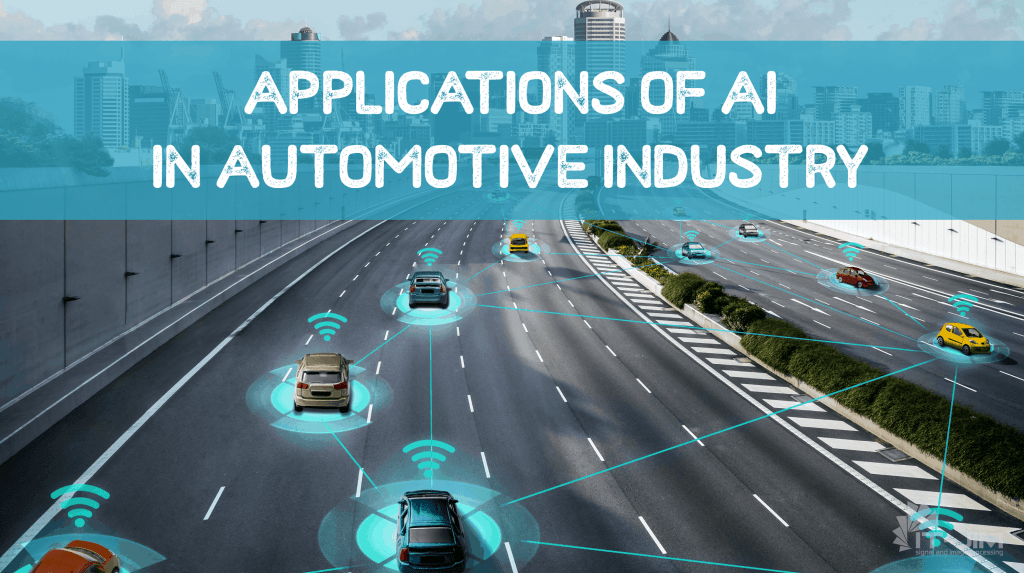
The automotive industry stands on the brink of a technological revolution, with innovations like Generative Artificial Intelligence (AI) platforms poised to redefine traditional practices. Generative AI platforms, leveraging advanced algorithms and machine learning techniques, offer a plethora of applications that can revolutionize various aspects of automotive design, manufacturing, and user experience. In this comprehensive article, we delve into the diverse applications of gen AI platform for automotive industry, examining how they can drive innovation, efficiency, and sustainability.
Understanding Generative AI Platforms
Before diving into the applications, it’s essential to grasp the essence of generative AI platforms. These platforms harness the power of AI to generate new data instances resembling a given dataset. They analyze patterns, learn from data, and produce new outputs, such as designs, text, or images. In the automotive realm, gen AI platform for automotive is redefining conventional processes, offering solutions to complex challenges.
Applications of Gen AI Platform for Automotive Industry
1. Design Optimization
Generative AI platforms facilitate design optimization by exploring a multitude of design possibilities and identifying the most efficient solutions. They can analyze vast datasets of past designs, market trends, and performance metrics to generate optimized designs for vehicle components, systems, and structures. The gen AI platform for automotive enables automakers to enhance aerodynamics, improve structural integrity, and optimize weight distribution, leading to superior vehicle performance and efficiency.
2. Manufacturing Process Enhancement
Generative AI platforms optimize manufacturing processes by automating tasks, optimizing workflows, and improving resource utilization. They analyze historical production data, demand forecasts, and production constraints to generate optimized production schedules that minimize idle time, reduce lead times, and optimize resource allocation. The gen AI platform for automotive streamlines production planning, enhance quality control, and reduce costs, resulting in increased efficiency and productivity across the manufacturing value chain.
3. Personalized User Experiences
Personalization is a key trend in the automotive industry, and gen AI platform for automotive enables automakers to deliver tailored user experiences. By analyzing data on driver behavior, preferences, and usage patterns, these platforms generate personalized infotainment systems, adaptive seating arrangements, and intelligent driver assistance systems. They provide drivers with relevant information, entertainment options, and assistance based on their individual preferences and driving habits, enhancing user satisfaction and loyalty.
4. Sustainable Design Innovation
Generative AI platforms drive sustainable design innovation by optimizing vehicle components for fuel efficiency, reducing emissions, and enhancing recyclability. They analyze data on material properties, environmental impact, and regulatory requirements to generate lightweight designs, alternative materials, and energy-efficient components. These platforms enable automakers to meet sustainability goals, reduce environmental footprint, and differentiate their products in a competitive market.
5. Virtual Vehicle Prototyping
Generative AI platforms facilitate virtual prototyping and testing of vehicle designs, enabling automakers to identify potential issues and optimize performance before physical prototypes are built. They generate realistic simulations of vehicle dynamics, aerodynamics, and crashworthiness, allowing automakers to assess design performance, identify weaknesses, and refine designs iteratively. These platforms accelerate the product development process, reduce time-to-market, and minimize development costs.
6. Supply Chain Optimization
Supply chain optimization is crucial for automakers to ensure efficient production and delivery of vehicles. Generative AI platforms analyze data on supplier performance, inventory levels, and production schedules to optimize procurement, inventory management, and logistics operations. They generate optimized procurement strategies, inventory replenishment plans, and production schedules that minimize costs, reduce lead times, and improve supply chain resilience and agility.
7. Predictive Maintenance
Predictive maintenance is essential for maximizing vehicle uptime and minimizing downtime. Generative AI platforms analyze sensor data, maintenance logs, and historical performance data to predict component failures and schedule maintenance proactively. They identify potential issues before they occur, enabling automakers to plan maintenance activities efficiently, minimize disruptions, and reduce maintenance costs.
Conclusion
Gen AI platform for automotive holds immense potential for transforming the automotive industry, offering solutions to complex challenges and driving innovation, efficiency, and sustainability. From design optimization and manufacturing process enhancement to personalized user experiences and sustainable design innovation, the applications of generative AI platforms are diverse and far-reaching. As automakers continue to embrace these technologies, they will unlock new opportunities for growth, differentiation, and competitive advantage in an increasingly dynamic and competitive market. By harnessing the power of generative AI platforms, automakers can redefine traditional practices, accelerate innovation cycles, and deliver superior products and services to consumers.
-
Unlocking Efficiency and Security: Blockchain Application Development Services Revolutionize Industries
In recent years, blockchain technology has emerged as a transformative force across various sectors, offering unparalleled security, transparency, and efficiency. From finance to real estate and supply chain management, businesses are increasingly leveraging blockchain application development services to streamline operations and enhance trust among stakeholders. In this article, we explore the impact of blockchain in finance, real estate, and supply chain management, highlighting the role of blockchain application development in driving innovation.

Blockchain in Finance: Reinventing Transactions and Security
The finance industry has been at the forefront of adopting blockchain technology to revolutionize traditional banking processes, transactions, and security measures. By utilizing blockchain application development services, financial institutions can facilitate faster and more secure transactions while reducing costs associated with intermediaries.
One of the key advantages of blockchain in finance is its ability to create tamper-proof and transparent transaction records through distributed ledger technology. This ensures that all parties involved in a transaction have access to the same information, minimizing the risk of fraud and errors. Additionally, smart contracts enable automated execution of agreements, eliminating the need for intermediaries and streamlining processes such as loan approvals, trade settlements, and asset management.
Blockchain in Real Estate: Transforming Property Transactions
The real estate industry is embracing blockchain technology to enhance transparency, efficiency, and trust in property transactions. With blockchain application development services, stakeholders in the real estate ecosystem, including buyers, sellers, agents, and regulators, can securely record and track property ownership, transfers, and contracts in a decentralized manner.
By leveraging blockchain in real estate, title disputes, fraudulent transactions, and paperwork errors can be significantly reduced, leading to faster and more secure property transactions. Smart contracts enable automated execution of real estate agreements, ensuring compliance with predefined terms and conditions without the need for intermediaries.
Blockchain in Supply Chain Management: Optimizing Transparency and Traceability
Supply chain management is undergoing a digital transformation with the adoption of blockchain technology to optimize transparency, traceability, and efficiency across complex global supply networks. Blockchain application development services enable stakeholders to securely record and track the movement of goods, verify product authenticity, and streamline supply chain processes.
Through blockchain in supply chain management, companies can enhance visibility into the provenance and journey of products from raw materials to end consumers. This not only improves accountability and trust among supply chain partners but also enables faster detection and mitigation of counterfeit products, theft, and unauthorized alterations.
The Role of Blockchain Application Development Services
Blockchain application development services play a crucial role in unlocking the full potential of blockchain technology across various industries. Experienced blockchain developers leverage their expertise in distributed ledger technology, cryptography, and smart contracts to design and deploy customized solutions tailored to the specific needs of businesses.
From designing secure and scalable blockchain architectures to implementing smart contracts and developing user-friendly interfaces, blockchain application development services cover the entire spectrum of blockchain implementation. Moreover, ongoing support and maintenance ensure the continuous performance and evolution of blockchain solutions in response to changing business requirements and technological advancements.
Conclusion
In conclusion, blockchain technology is reshaping industries such as finance, real estate, and supply chain management by offering unparalleled security, transparency, and efficiency. With the help of blockchain application development services, businesses can harness the full potential of blockchain to streamline operations, reduce costs, and enhance trust among stakeholders. As the adoption of blockchain continues to grow, organizations that embrace this transformative technology will gain a competitive edge in the digital economy.
-
Unlocking the Power of Smart Contract Development Services
In the realm of blockchain technology, smart contracts have emerged as a revolutionary tool, enabling trustless and immutable transactions. These self-executing contracts are encoded with predefined rules and automatically execute when specific conditions are met, eliminating the need for intermediaries and enhancing transparency. As the adoption of blockchain continues to surge across industries, the demand for smart contract development services has witnessed a significant upswing. In this article, we delve into the intricacies of smart contract development services, the role of smart contract developers, and the importance of smart contract audits in ensuring security and reliability.
1. Understanding Smart Contract Development Services
Smart contract development services encompass a range of activities aimed at designing, coding, and deploying smart contracts tailored to specific business requirements. These services are offered by blockchain development firms, comprising seasoned professionals with expertise in various blockchain platforms such as Ethereum, EOS, and Hyperledger. Smart contract development involves:
- Requirement Analysis: Understanding the client’s objectives and defining the scope of the smart contract functionality.
- Architecture Design: Designing the structure and logic of the smart contract to ensure efficiency and scalability.
- Coding: Writing clean and secure code in programming languages like Solidity (for Ethereum) or C++ (for EOS).
- Testing: Thoroughly testing the smart contract to identify and rectify bugs or vulnerabilities.
- Deployment: Deploying the smart contract on the chosen blockchain network, making it accessible for interaction.
2. Role of Smart Contract Developers
Smart contract developers are the architects behind the implementation of smart contracts. They possess a deep understanding of blockchain technology and programming languages required for smart contract development. The key responsibilities of smart contract developers include:
- Code Implementation: Translating the business requirements into code and ensuring the integrity and efficiency of the smart contract.
- Security: Implementing best practices to enhance the security of smart contracts, mitigating risks such as reentrancy attacks and integer overflow.
- Optimization: Optimizing smart contract code for gas efficiency to minimize transaction costs on the blockchain network.
- Integration: Integrating smart contracts with existing systems or decentralized applications (DApps) to facilitate seamless functionality.
3. Importance of Smart Contract Audits
While smart contracts offer numerous benefits, they are not immune to vulnerabilities or flaws. Smart contract audits play a crucial role in assessing the security, reliability, and compliance of smart contracts. Here’s why smart contract audits are essential:
- Identifying Vulnerabilities: Audits help in identifying potential vulnerabilities or weaknesses in the smart contract code, including logic errors, coding mistakes, or susceptibility to attacks.
- Enhancing Security: By uncovering and addressing security loopholes, audits significantly enhance the overall security posture of smart contracts, reducing the risk of exploits or breaches.
- Ensuring Compliance: Smart contract audits ensure compliance with regulatory requirements and industry standards, fostering trust and credibility among stakeholders.
- Risk Mitigation: By proactively addressing security concerns, audits mitigate the risk of financial loss or reputational damage associated with smart contract vulnerabilities.
4. Smart Contract Audit Services
Smart contract audit services are offered by specialized firms or cybersecurity experts with a focus on blockchain security. These services encompass:
- Code Review: Thoroughly reviewing the smart contract code to identify vulnerabilities, inefficiencies, or deviations from best practices.
- Security Testing: Conducting comprehensive security testing, including fuzz testing, static analysis, and dynamic analysis, to assess the resilience of smart contracts against various attack vectors.
- Documentation Review: Reviewing documentation such as whitepapers, technical specifications, and user guides to ensure consistency and clarity in smart contract functionality.
- Compliance Assessment: Evaluating smart contracts for compliance with regulatory requirements and industry standards, such as ERC-20 or ERC-721 standards for Ethereum-based tokens.
5. DApp Security Audit Services
Decentralized applications (DApps) leverage smart contracts to execute various functionalities, making them susceptible to similar security risks. DApp security audit services extend the scope of smart contract audits to assess the overall security posture of DApps. These services include:
- Smart Contract Integration: Auditing the integration of smart contracts within DApps to ensure seamless interoperability and functionality.
- Frontend Security: Assessing the security of frontend components such as user interfaces and APIs to prevent common vulnerabilities like cross-site scripting (XSS) or injection attacks.
- Data Encryption: Reviewing data encryption mechanisms to protect sensitive information stored or transmitted by the DApp.
- User Authentication: Evaluating user authentication mechanisms to prevent unauthorized access or identity theft.
In conclusion, smart contract development services, complemented by rigorous audits, are essential for harnessing the full potential of blockchain technology securely. By engaging experienced smart contract developers and conducting comprehensive audits, organizations can unlock new opportunities for innovation while safeguarding against potential risks and vulnerabilities.
-
Unlocking Efficiency: Exploring the Features of Generative AI Platforms for Logistics
Introduction
In the ever-evolving landscape of logistics, where efficiency and agility are paramount, the integration of advanced technologies has become indispensable. Generative Artificial Intelligence (AI) platforms have emerged as powerful tools, offering a plethora of features tailored to meet the complex demands of logistics operations. From demand forecasting and route optimization to supply chain management and risk mitigation, these platforms are revolutionizing the way logistics companies operate. In this article, we delve into the features of Gen AI platform for logistics, exploring their capabilities and potential impact on the industry.
Understanding Generative AI Platforms
Generative AI platforms leverage advanced algorithms to generate synthetic data and simulate complex scenarios. By learning from large datasets, these platforms can identify patterns, make predictions, and optimize decision-making processes. In the context of logistics, Gen AI platform for logistics offer a wide range of features designed to address specific challenges and improve operational efficiency. Let’s explore some of these key features in detail:
Feature 1: Demand Forecasting
Accurate demand forecasting is crucial for optimizing inventory levels, production schedules, and distribution networks. Generative AI platforms analyze historical sales data, market trends, and external factors such as weather patterns and social media sentiment to generate probabilistic models and predict future demand. By identifying patterns and correlations in the data, these platforms enable logistics companies to anticipate changes in demand, adjust inventory levels accordingly, and minimize stockouts and excess inventory costs.
Feature 2: Route Optimization
Efficient route planning is essential for minimizing transportation costs, reducing delivery times, and maximizing resource utilization. Generative AI platforms utilize advanced algorithms, such as genetic algorithms and reinforcement learning, to optimize delivery routes in real-time. By considering factors such as traffic conditions, vehicle capacity, delivery windows, and fuel efficiency, these platforms can generate optimal routes that minimize travel time and distance. This feature helps logistics companies streamline their operations, reduce fuel consumption, and improve overall efficiency.
Feature 3: Supply Chain Management
Managing a complex supply chain involves coordinating multiple suppliers, manufacturers, distributors, and retailers across various locations. Gen AI platform for logistics offers features that provide real-time visibility into the entire supply chain, enabling companies to track inventory levels, monitor production processes, and optimize resource allocation. By analyzing data from IoT sensors, RFID tags, and blockchain networks, these platforms can detect anomalies, predict supply chain disruptions, and recommend alternative courses of action to mitigate risks.
Feature 4: Inventory Optimization
Maintaining optimal inventory levels is critical for balancing supply and demand while minimizing carrying costs and stockouts. Generative AI platforms offer features that help companies optimize inventory levels across multiple locations. By analyzing historical sales data, seasonal trends, and supplier lead times, these platforms can generate replenishment schedules, determine optimal reorder points, and calculate safety stock levels. This feature enables logistics companies to ensure that they have the right products in the right quantities at the right time, thereby improving customer satisfaction and reducing excess inventory costs.
Feature 5: Risk Management
Logistics operations are inherently susceptible to various risks, including natural disasters, geopolitical events, labor strikes, and supplier bankruptcies. Generative AI platforms offer features that help companies assess and mitigate these risks. By analyzing historical data, identifying potential vulnerabilities, and simulating different risk scenarios, these platforms enable logistics companies to develop contingency plans and allocate resources more effectively. This proactive approach to risk management enhances the resilience and agility of logistics networks, enabling them to withstand unforeseen disruptions and maintain continuity of operations.
Feature 6: Predictive Maintenance
Maintaining a fleet of vehicles, machinery, and equipment is essential for ensuring the smooth operation of logistics operations. Generative AI platforms offer features that enable companies to predict equipment failures and schedule maintenance proactively. By analyzing data from sensors, monitoring equipment performance, and identifying early warning signs of potential failures, these platforms can generate maintenance schedules that minimize downtime and reduce maintenance costs. This feature helps logistics companies optimize their maintenance operations and extend the lifespan of their assets.
Feature 7: Dynamic Pricing
Dynamic pricing is a strategy used by logistics companies to adjust prices in real-time based on factors such as demand, supply, and market conditions. Gen AI platform for logistics offers features that enable companies to implement dynamic pricing strategies effectively. By analyzing market data, competitor pricing, and customer behavior, these platforms can generate pricing recommendations that maximize revenue and profitability. This feature helps logistics companies stay competitive in dynamic markets and respond quickly to changes in demand and competition.
Case Studies: Illustrating the Impact of Generative AI Features in Logistics
Case Study 1: FedEx
FedEx, a global leader in logistics and supply chain management, leverages Generative AI features to optimize its delivery network and enhance operational efficiency. By utilizing demand forecasting, route optimization, and inventory optimization features, FedEx can deliver packages faster, reduce transportation costs, and improve customer satisfaction. This has enabled the company to maintain its competitive edge in the rapidly evolving logistics industry.
Case Study 2: Walmart
Walmart, one of the world’s largest retailers, relies on Generative AI features to manage its complex supply chain and streamline its logistics operations. By utilizing supply chain management, inventory optimization, and risk management features, Walmart can minimize stockouts, reduce inventory holding costs, and mitigate supply chain risks. This has allowed the company to maintain high levels of product availability while keeping costs low for both itself and its customers.
The Future of Generative AI Platforms in Logistics
As Generative AI continues to evolve and mature, its features will become even more sophisticated, enabling logistics companies to achieve unprecedented levels of efficiency, agility, and resilience. From autonomous operations and predictive maintenance to dynamic pricing and beyond, the possibilities are endless. By embracing Generative AI features, logistics companies can unlock new opportunities for growth, innovation, and competitiveness in the digital age.
Conclusion
Gen AI platform for logistics offers a wide range of features tailored to meet the complex demands of logistics operations. From demand forecasting and route optimization to supply chain management and risk mitigation, these platforms empower logistics companies to streamline their operations, reduce costs, and improve customer satisfaction. As Generative AI continues to advance, its features will become increasingly sophisticated, enabling logistics companies to stay ahead of the curve and capitalize on the transformative power of AI-driven innovation. By embracing Generative AI features, logistics companies can unlock new opportunities for growth, efficiency, and resilience in an increasingly dynamic and interconnected world.
-
Exploring the Features of Generative AI Platforms for Healthcare
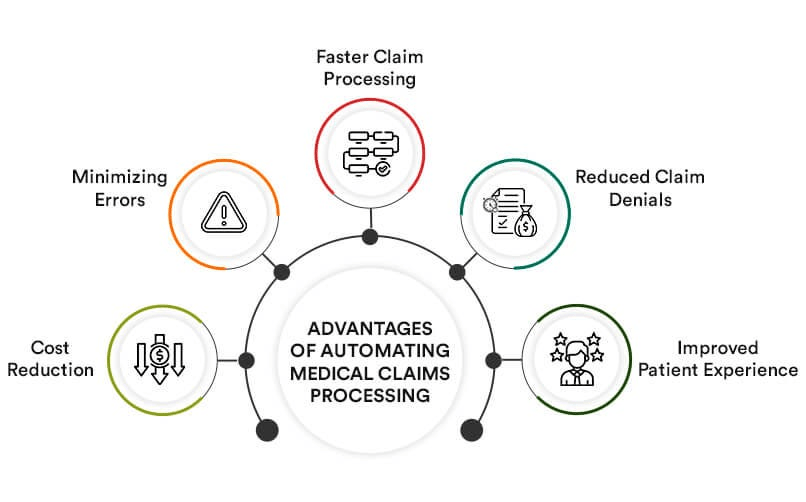
Generative Artificial Intelligence (AI) platforms are rapidly transforming the landscape of healthcare, offering innovative solutions to complex challenges and revolutionizing various aspects of patient care, diagnosis, treatment, and research. These platforms leverage advanced algorithms and deep learning techniques to generate new data or content, enabling healthcare professionals to unlock valuable insights, optimize treatment strategies, and enhance patient outcomes. In this comprehensive exploration, we delve into the key features of gen AI platform for healthcare, highlighting their capabilities, applications, and potential impact on the future of medicine.
Introduction to Generative AI in Healthcare
Generative AI represents a subset of artificial intelligence techniques that enable machines to generate new data or content similar to what they have been trained on. Unlike traditional AI models that focus on classification or prediction tasks, generative AI platforms have the remarkable ability to create novel outputs, including images, text, sounds, and entire scenarios. This capacity stems from their underlying architecture, often built upon deep neural networks, which excel at capturing complex data distributions and generating realistic samples.
In the realm of healthcare, gen AI platform for healthcare is driving significant advancements across a spectrum of applications, reshaping the way medical imaging is performed, drugs are discovered, treatments are personalized, and patient care is delivered. By harnessing the power of generative AI, healthcare organizations can leverage data-driven insights to improve clinical decision-making, optimize resource allocation, and enhance the overall quality and efficiency of healthcare delivery.
Key Features of Generative AI Platforms for Healthcare
1. Image Synthesis and Enhancement
Gen AI platform for healthcare excels at synthesizing and enhancing medical images, such as X-rays, MRI scans, and CT scans, to improve the quality and diagnostic accuracy of imaging studies. By leveraging advanced algorithms and deep learning techniques, these platforms can generate high-resolution images, enhance image contrast, and remove noise or artifacts, enabling radiologists and clinicians to detect abnormalities and diagnose diseases with greater precision and confidence.
2. Anomaly Detection and Segmentation
Anomaly detection and segmentation are critical tasks in medical imaging, where identifying and delineating abnormalities or lesions from normal tissue are essential for diagnosis and treatment planning. Gen AI platform for healthcare leverages sophisticated algorithms to automatically detect, segment, and classify anomalies in medical images, such as tumors, fractures, or other pathological findings. By providing accurate and reliable anomaly detection capabilities, these platforms enable healthcare professionals to expedite diagnosis, improve treatment outcomes, and enhance patient care.
3. Drug Discovery and Design
Generative AI platforms are revolutionizing the process of drug discovery and design by accelerating the identification and optimization of novel therapeutic compounds. These platforms leverage generative modeling techniques to generate virtual chemical structures, predict their properties, and screen for potential drug candidates with desired pharmacological profiles. By harnessing the power of gen AI platform for healthcare, pharmaceutical companies can expedite the drug development pipeline, reduce costs, and bring life-saving medications to market more rapidly and efficiently.
4. Personalized Medicine and Treatment Planning
Personalized medicine, which tailors medical treatment to individual characteristics, holds immense promise for improving patient outcomes and reducing healthcare costs. Generative AI platforms play a pivotal role in this paradigm shift by analyzing patient data, including genomic information, clinical records, and demographic factors, to develop personalized treatment plans and predictive models. By leveraging the power of gen AI platform for healthcare, healthcare providers can deliver more targeted interventions, optimize therapeutic outcomes, and enhance the overall quality of patient care.
5. Natural Language Processing (NLP) and Clinical Documentation
Generative AI platforms leverage natural language processing (NLP) techniques to analyze unstructured text data from electronic health records (EHRs), medical literature, and patient-generated content. By extracting valuable insights, automating clinical documentation, and supporting decision-making processes, these platforms streamline administrative tasks, facilitate communication between healthcare professionals, and enhance the efficiency of healthcare delivery. NLP-powered generative AI platforms enable healthcare organizations to unlock valuable insights from textual data, improve documentation accuracy, and enhance clinical workflows.
6. Disease Modeling and Simulation
Generative AI platforms enable healthcare organizations to develop sophisticated disease models and simulations, facilitating research, training, and clinical decision-making. By leveraging advanced algorithms and computational techniques, these platforms can simulate disease progression, predict treatment outcomes, and evaluate the efficacy of interventions in virtual environments. Disease modeling and simulation capabilities empower healthcare professionals to explore different scenarios, optimize treatment strategies, and improve patient outcomes in a controlled and data-driven manner.
Challenges and Considerations
While generative AI platforms hold immense promise for transforming healthcare, their widespread adoption is not without challenges and considerations. Key issues that need to be addressed include:
1. Data Privacy and Security
Healthcare data is highly sensitive and subject to stringent privacy regulations, such as the Health Insurance Portability and Accountability Act (HIPAA) in the United States and the General Data Protection Regulation (GDPR) in the European Union. Generative AI platforms must adhere to strict data protection standards to ensure the confidentiality, integrity, and availability of patient information. Robust encryption, access controls, and anonymization techniques are essential to safeguarding healthcare data against unauthorized access and breaches.
2. Ethical and Regulatory Compliance
The use of generative AI in healthcare raises ethical concerns regarding patient consent, transparency, and accountability. Healthcare providers and technology developers must navigate ethical dilemmas related to data ownership, algorithmic bias, and the responsible use of AI-driven solutions. Moreover, regulatory bodies need to establish clear guidelines and standards for the development, deployment, and evaluation of generative AI platforms in healthcare to ensure patient safety and regulatory compliance.
3. Interoperability and Integration
Achieving seamless interoperability and integration among disparate healthcare systems is essential for the effective deployment of generative AI platforms. Healthcare organizations must leverage interoperability standards and interoperable technologies to facilitate data exchange and interoperability across different systems, enabling more comprehensive and coordinated care delivery.
4. Explainability and Interpretability
Generative AI models, particularly deep neural networks, are often regarded as black-box systems due to their complex and opaque nature. Ensuring the explainability and interpretability of AI-driven decision-making processes is crucial for gaining trust and acceptance from healthcare professionals, patients, and regulatory authorities. Techniques such as model visualization, feature attribution, and algorithmic transparency can help elucidate the underlying mechanisms of generative AI platforms, enabling stakeholders to understand how decisions are made and assess their reliability and validity.
Conclusion
Generative AI platforms are poised to revolutionize healthcare, offering innovative solutions to longstanding challenges and unlocking new opportunities for improving patient care and advancing medical research. By harnessing the power of generative AI, healthcare organizations can leverage data-driven insights to optimize clinical workflows, enhance diagnostic accuracy, and personalize treatment strategies. However, realizing the full potential of generative AI in healthcare requires addressing challenges related to data privacy, ethical compliance, interoperability, and explainability. Through collaboration, innovation, and a commitment to patient-centricity, we can harness the transformative potential of generative AI to create a future where healthcare is more precise, proactive, and personalized than ever before.
-
Subscribe
Subscribed
Have a WordPress.com account? Log in now.

